
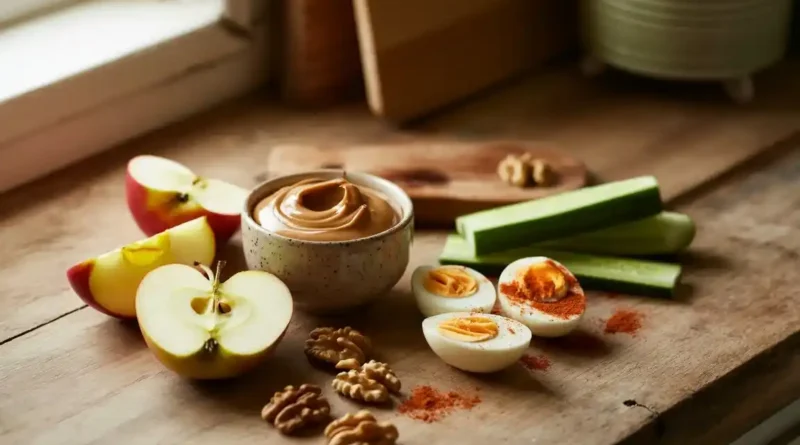
Easy Snack Ideas Satisfying Fresh Bites That Actually Fill
The last time I grabbed a rice cake thinking it would hold me over until dinner, I was rummaging through the fridge forty minutes later like the snack never happened. That was the moment I stopped treating snacks as afterthoughts and started treating them like small, intentional meals.
The difference between a snack that fills and one that disappears? It almost always comes down to the structure of what you are eating — not just the calorie count.
Easy Snack Ideas at a Glance — Satisfaction vs. Effort Comparison Grid
| Snack | Prep Time | Key Fill Factor | Satisfaction Score (1–5) | Best Time to Eat |
|---|---|---|---|---|
| Greek yogurt + pumpkin seeds | 2 min | Protein + healthy fat | ⭐⭐⭐⭐⭐ | Mid-morning or post-workout |
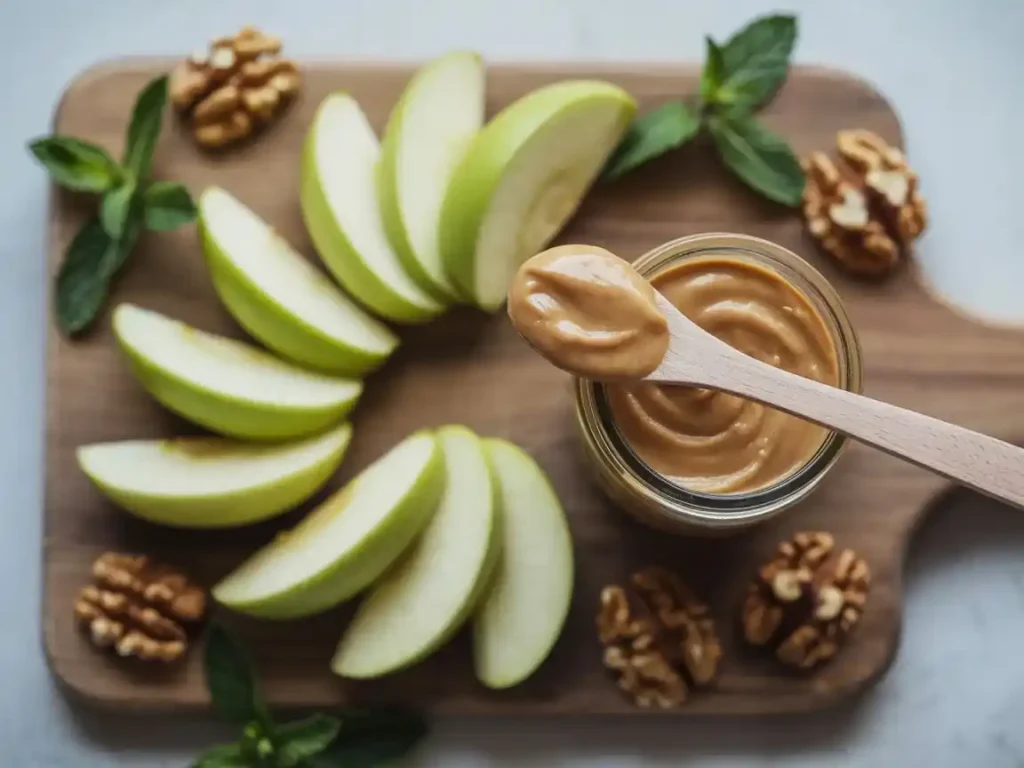
| Apple + almond butter | 2 min | Fiber + fat | ⭐⭐⭐⭐ | Afternoon gap |
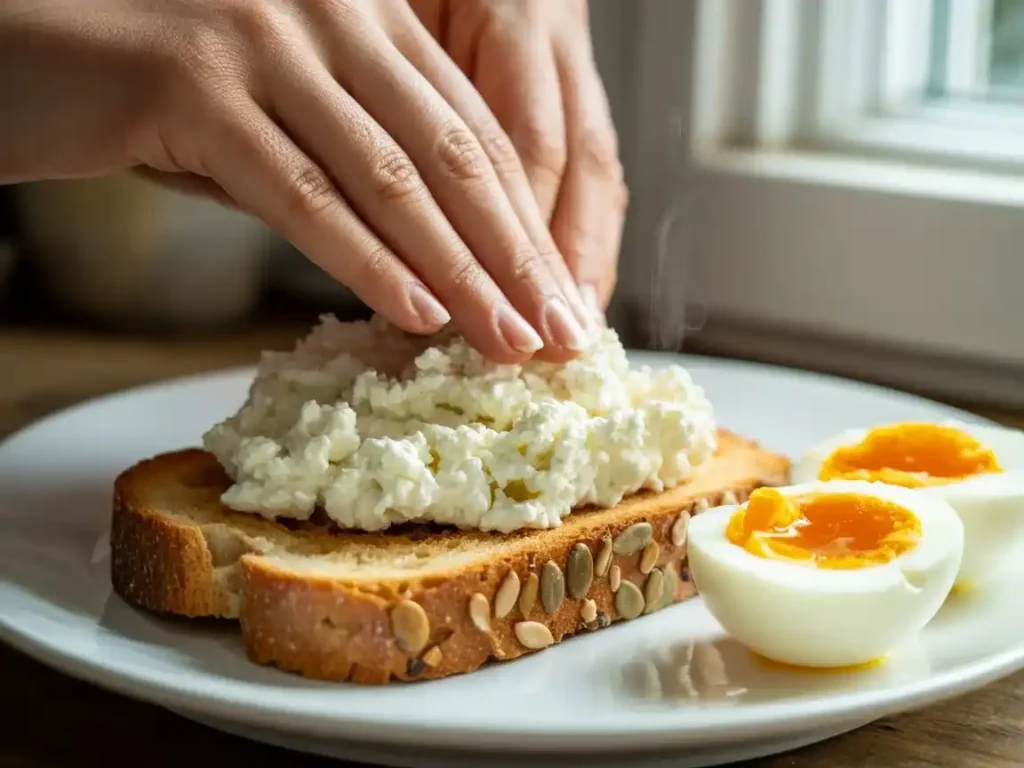
| Cottage cheese on toast | 4 min | High protein, complex carb | ⭐⭐⭐⭐⭐ | Morning or late afternoon |
| Hard-boiled eggs + hot sauce | 1 min (pre-boiled) | Pure protein | ⭐⭐⭐⭐ | Any time |
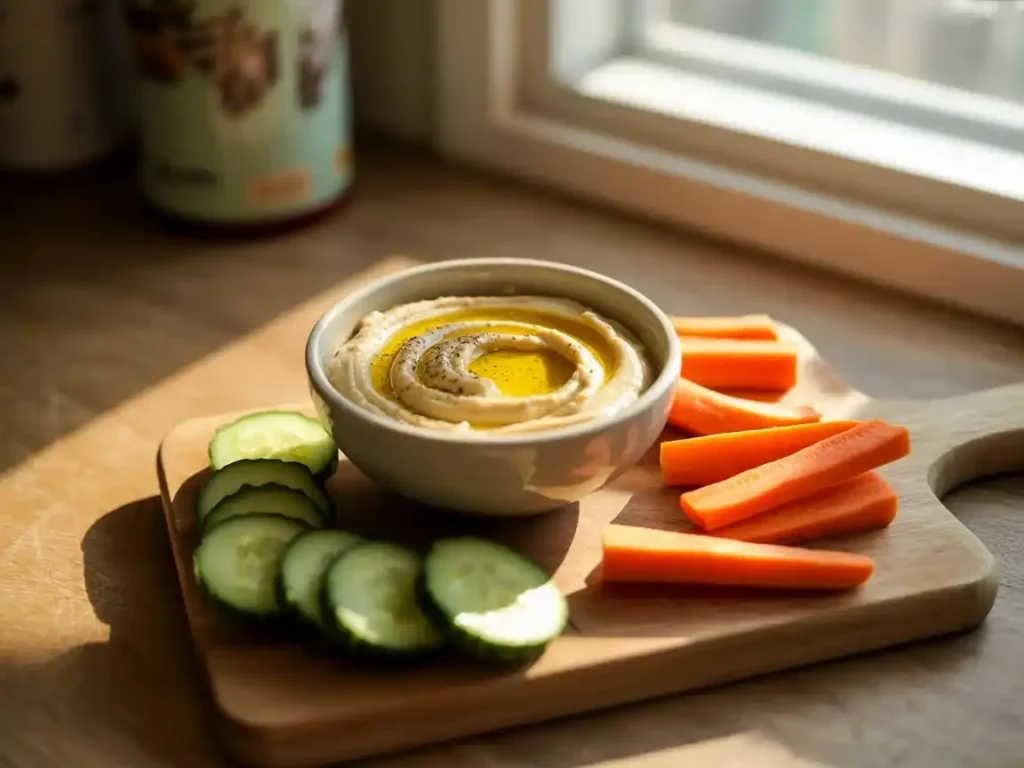
| Hummus + veggie sticks | 3 min | Fiber + plant protein | ⭐⭐⭐⭐ | Afternoon or pre-dinner |
| Tuna on rice crackers | 4 min | Lean protein + crunch | ⭐⭐⭐⭐ | Lunch gap |
| Banana + peanut butter | 2 min | Fast carb + fat buffer | ⭐⭐⭐ | Pre-exercise |
| Cheese + walnuts | 1 min | Fat + protein density | ⭐⭐⭐⭐ | Evening |
Look at the pattern running through the top scorers. Every single five-star option pairs a protein source with either a healthy fat or a fiber element. That combination is not accidental.
Why Most Snacks Fail the Fullness Test
The snack industry has sold an enormous lie: that low-calorie automatically means smart. Grab a handful of pretzels. Eat a plain rice cake. Have some plain crackers. None of those options have any structural staying power because they are almost entirely fast-digesting carbohydrates with no protein or fat to slow them down.
Your blood sugar spikes. Then it drops. Forty minutes later you are back in the kitchen.
Research into satiety signals consistently shows that protein is the most filling macronutrient — it slows gastric emptying and triggers satiety hormones more effectively than carbohydrates alone. Fat adds a second layer of staying power by extending the digestion process. When you eat a snack built on just refined carbs, your body processes it fast and moves on. When you eat Greek yogurt with seeds, your body has actual work to do.
That is the fill factor column in the table above doing its job.
The Snacks Worth Building Into Your Day
The three standout performers from the grid are Greek yogurt with pumpkin seeds, cottage cheese on toast, and hard-boiled eggs.
Greek yogurt with pumpkin seeds is the most underrated option in the entire list. Full-fat Greek yogurt delivers around 15–17 grams of protein per serving depending on the brand. The seeds add magnesium, zinc, and enough healthy fat to round out the satiety window to a solid two hours or more. (I ran a side-by-side on a Thursday — the same portion of plain low-fat yogurt had me hungry within 45 minutes. The full-fat version with seeds? I forgot I had even eaten it until lunch.)
Cottage cheese on toast went through a long phase of being unfashionable and is now rightfully back. The protein density per calorie is genuinely impressive — as nutrition data from the USDA Food Data Central database confirms, a half-cup of cottage cheese delivers roughly 14 grams of protein at under 110 calories. On a slice of seeded sourdough, that becomes a legitimately filling small meal disguised as a snack.
Hard-boiled eggs are the most efficient prep-ahead easy snack idea on this list. Batch-boil six eggs on Sunday. The rest of the week, you are one minute away from a protein-dense snack that requires zero thought.
How to Build Any Satisfying Snack From Scratch
Forget memorizing recipes. The real skill is learning a three-part snack formula that works with almost anything in your kitchen.
The Formula:
- Protein anchor — Greek yogurt, eggs, cottage cheese, nut butter, canned tuna, cheese, edamame
- Fat layer — nuts, seeds, avocado, olive oil drizzle, full-fat dairy
- Fresh element — sliced fruit, raw vegetables, fresh herbs, cucumber, cherry tomatoes
Build any combination of those three categories and you have a structurally sound snack. The fresh element matters more than people expect — it is not just garnish. It adds water content, fiber, and a textural contrast that signals variety to your brain, which actually increases how satisfied you feel after eating.
Culinary food science analysis from Serious Eats has documented how textural contrast in food directly influences perceived flavor intensity. A creamy base paired with something crunchy or crisp reads as more complex and satisfying to the palate than either component alone. That is why hummus and veggie sticks work so well — it is the contrast doing half the work.
Quick Swaps When You Have Almost Nothing
The table’s bottom three entries are specifically designed for low-inventory moments. Here is how to adapt in real conditions.
No Greek yogurt? Swap in cottage cheese. The protein profile is nearly identical and the texture swap is minor once you add something crunchy on top.
No almond butter? Any nut or seed butter works — sunflower seed butter in particular is a solid allergen-friendly alternative with a comparable fat-to-protein ratio.
Only crackers and cheese in the house? That clears the protein anchor and fat layer requirements immediately. Add three or four cherry tomatoes or a few slices of cucumber and you have hit all three formula points.
Banana and peanut butter sits at three stars in the matrix — not because it is a poor choice, but because the fast carbohydrate from the banana means the fill window is shorter. It earns its place as a pre-exercise option when a fast energy release is actually the goal.
The Fresh Factor — Why Texture and Temperature Matter
A cold, crunchy snack hits differently than a soft, room-temperature one — and that is not just personal preference.
Temperature affects flavor perception directly. Cold foods mute some flavor compounds while amplifying freshness. That is why a chilled cucumber stick with hummus tastes clean and refreshing in a way that a room-temperature version simply does not replicate. The physical refreshing sensation is real — cold food lowers the internal temperature of the mouth slightly, which your nervous system reads as invigorating.
Crunch adds a sensory dimension that soft-only snacks cannot provide. Research into eating behavior documented through Harvard Health Publishing suggests that the auditory and tactile feedback from crunchy foods contributes to the overall perception of satisfaction — your brain registers the eating experience as more substantial.
That is why the fresh veggie component in the formula is not optional. It is structural.
Snack Timing and Why It Changes Everything
The “Best Time to Eat” column in the matrix is worth paying attention to. Not every snack is built for every moment.
Pre-exercise snacks need fast-releasing carbohydrates with moderate fat — too much fat slows digestion at the exact moment you need accessible energy. The banana and peanut butter combination scores lower on overall fill satisfaction but earns its spot specifically in that window.
Mid-morning and late afternoon are the two danger zones where most people reach for whatever is closest. Those are the windows where the five-star options need to be ready. Greek yogurt with seeds and cottage cheese on toast are both fast enough to prepare in under five minutes, which means convenience is not a legitimate barrier.
Evening snacking is its own category. The cheese and walnut pairing works well there because it is dense, slow-digesting, and does not spike blood sugar before sleep — the fat and protein content keeps the energy release gradual.
The table is not a rigid rulebook. It is a reference point. Once you understand why each snack works, the timing becomes intuitive.
A snack built on Greek yogurt with toasted seeds, or cottage cheese pressed onto seeded sourdough with a crack of black pepper, does not feel like a compromise. It tastes like something you would actually choose to eat — fresh, filling, and complete enough to hold you until the next real meal without that mid-afternoon fog that follows a bag of pretzels. Build the formula a few times and the pattern becomes second nature.

