
Clean Eating Breakfast Creamy Bowls So Fresh You Glow
There was a Wednesday morning about two years ago when I blended what I was convinced would be the most nourishing breakfast of my life — and ended up with something that tasted like sweetened chalk with a faint hint of sadness. I had thrown in protein powder, frozen spinach, chia seeds, and oat milk without a single thought about balance, texture, or flavor layering. That disaster bowl is actually why I spent the next several weeks figuring out what a genuinely satisfying clean eating breakfast actually looks like — not what wellness influencers photograph, but what works at 7 a.m. when you are half-awake and mildly impatient.
The answer turned out to be simpler and more vibrant than I expected. Creamy breakfast bowls built on whole, fresh ingredients can come together in under ten minutes, fill you up for hours, and taste like something you actually chose to eat rather than something you endured for your health.
What Goes Into a Clean Eating Breakfast Bowl
The foundation of any bowl worth making is the base — and this is where most people either nail it or lose the plot entirely.
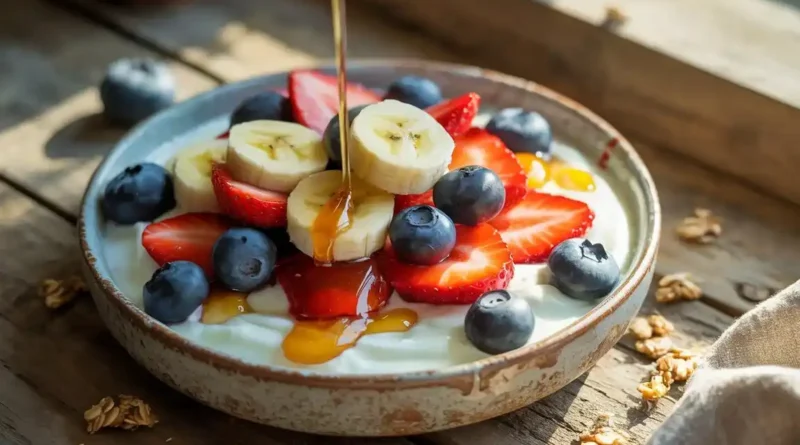
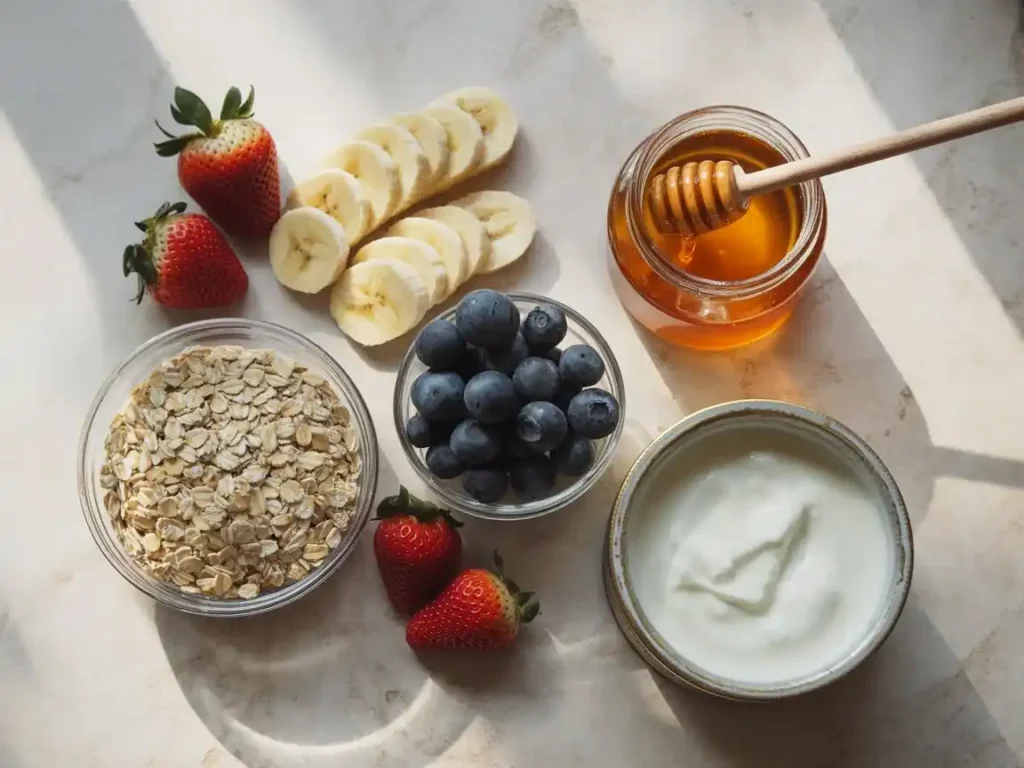
Greek yogurt is the workhorse here. Full-fat, plain, no added flavors. It delivers that thick, creamy texture that makes the bowl feel genuinely indulgent, and it brings protein and live cultures without any of the added sugars hiding inside flavored varieties. If dairy is off the table, a good coconut yogurt with live cultures does the job beautifully, though the fat profile is different and the flavor leans slightly sweeter.
Rolled oats are the second pillar, and not cooked — soaked overnight directly in the yogurt with a splash of oat milk. By morning they have softened into something almost silky, swelling just enough to add body without turning the bowl into porridge. Nutritional data from the USDA Food Data Central shows that a half-cup of dry rolled oats carries around 5 grams of protein and 4 grams of dietary fiber — which is a meaningful contribution to a morning meal before you have even added anything else.
Fresh fruit is where the bowl gets its color and brightness. Sliced strawberries, a small handful of blueberries, half a banana. The combination reads visually vibrant in a way that frozen fruit simply never does, and the texture contrast — soft base against juicy, slightly firm fruit — is the thing that makes each spoonful interesting. (I tried using frozen mango one Thursday when I was out of fresh fruit, and while the flavor was fine, everything turned slightly grey and watery by the time I reached the bottom of the bowl. Fresh matters here.)
A thin drizzle of raw honey finishes the top. Not a generous pour — just enough to introduce a floral sweetness that ties the yogurt’s slight tang to the fruit’s brightness. A pinch of flaky sea salt does something surprising and quiet: it sharpens every other flavor without announcing itself.
How to Build Your Bowl (Step-by-Step)
The night before is where the real work happens, and it takes approximately four minutes.
- Spoon three-quarters of a cup of plain full-fat Greek yogurt into your serving bowl or a jar with a lid.
- Stir in a third of a cup of rolled oats and two tablespoons of oat milk until combined. The mixture will look quite thick — that is exactly right.
- Add one teaspoon of chia seeds if you have them. They are not essential, but they absorb liquid overnight and add a faint textural interest by morning.
- Cover and refrigerate. That is genuinely it for the evening.
- In the morning, pull the bowl out and let it sit on the counter for three minutes while you do anything else. Cold yogurt straight from the fridge dulls flavor slightly — a brief rest at room temperature wakes it back up.
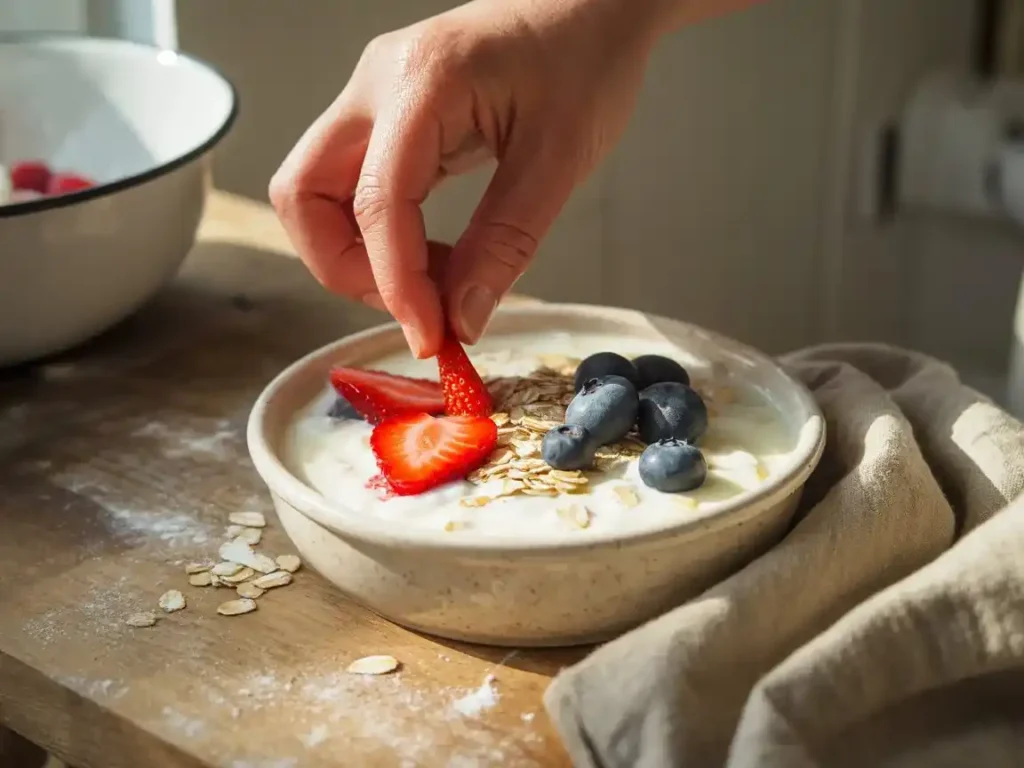
- Slice five or six strawberries and half a banana. Add a small handful of blueberries.
- Layer the fruit on top of the yogurt base rather than mixing it in. The visual contrast matters for the eating experience — a bowl that looks fresh and assembled feels more satisfying than one that looks stirred and uniform.
- Drizzle raw honey lightly over the fruit, then finish with a small pinch of flaky sea salt.
My daughter tasted an early version of this and said it needed “something crunchy on top or it feels like baby food.” She was right. A small scatter of toasted almond flakes or plain granola (check the label — many granolas are loaded with added sugar) adds that textural break that makes the bowl feel complete rather than one-dimensional.
Why These Ingredients Actually Work
This is not a bowl that is healthy by accident. Every component is doing specific, documented work.
The combination of protein from Greek yogurt and soluble fiber from oats creates a satiety effect that most processed breakfast options cannot replicate. Research published through Harvard Health Publishing has consistently documented that high-protein morning meals reduce hunger hormone levels through mid-morning — which is the window when most people abandon their clean eating intentions and reach for something they did not plan on.
The overnight soak is not just a convenience trick. When oats hydrate slowly in yogurt rather than boiling water, the starch structure changes. Food science documentation from Serious Eats explains that slow cold hydration of oats allows the cellular structure to soften more gradually, resulting in a creamier, less gluey texture than hot-cooked oats while preserving more of the natural oat flavor. It is a small thing that produces a noticeably better result.
Fresh fruit contributes natural fructose alongside water content, vitamins, and antioxidants, but the key distinction from dried fruit or juice is the intact fiber. That fiber slows how quickly the natural sugars from the fruit enter the bloodstream — which is the difference between a steady, sustained energy level through the morning and a spike-and-crash cycle that leaves you hungry again by 10 a.m.
Raw honey, used in the restrained quantity this recipe calls for, adds a genuinely different flavor dimension than refined sugar. It contains trace enzymes and floral compounds that processed sweeteners simply do not have. The flavor is rounder, slightly complex, and it pairs with the tang of Greek yogurt in a way that white sugar never quite manages.
Variations to Keep the Bowl Feeling Fresh All Week
The core structure — creamy base, soaked oats, fresh fruit, light sweetener — is a template, not a fixed recipe. Here is how to rotate it without rebuilding anything from scratch:
- Stone fruit version: Swap strawberries and blueberries for diced peaches and a few raspberries in late summer. The flavor shifts to something warmer and more perfumed.
- Tropical version: Use coconut yogurt as the base, top with sliced mango, kiwi, and a small squeeze of lime juice instead of honey. The brightness is sharper and the whole bowl reads differently.
- Nut butter version: Swirl one teaspoon of almond butter into the yogurt base before refrigerating. It deepens the creaminess and adds a subtle savory note that balances particularly sweet fruit.
- Seed crunch version: Top with a mix of pumpkin seeds and hemp hearts instead of granola for a lower-sugar crunch option that still adds texture and a gentle nuttiness.
- Spiced version: Stir a quarter teaspoon of cinnamon and a small pinch of cardamom into the oat-yogurt mixture before refrigerating. By morning the spices have bloomed into the base and the whole bowl smells like something that required significantly more effort than it did.
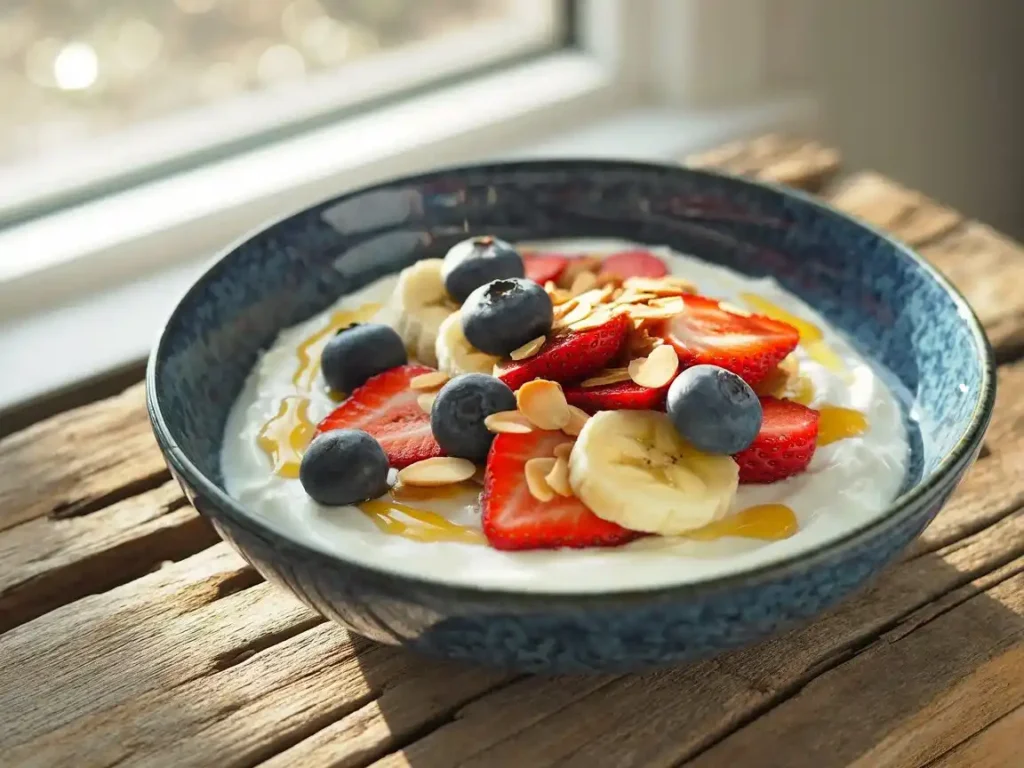
The spiced version specifically tends to surprise people. There is something about cardamom and cold yogurt together that reads almost like a dessert — the kind that sits with you comfortably rather than leaving you chasing the next thing twenty minutes later. If you try that variation on a slow weekend morning, the ginger-adjacent warmth of the cardamom might make you question why you ever defaulted to toast.

