
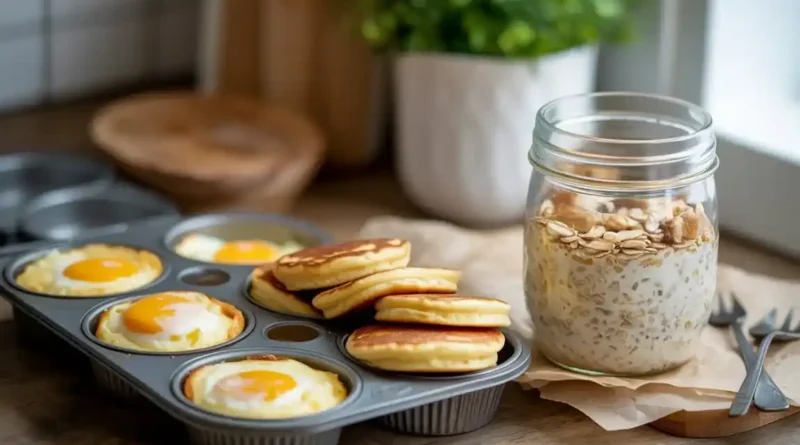
Breakfast Ideas On the Go Fluffy, Fresh, and Never Boring
You already know what a bad grab-and-go breakfast feels like: a granola bar that disintegrates into your bag, a banana you forget until it turns black, or the same overnight oats you’ve eaten eleven days straight. The real issue isn’t time — it’s that most breakfast ideas on the go are designed for convenience and forget about the eating experience entirely. Here’s how to fix that, starting tonight.
Why Most Grab-and-Go Breakfasts Go Wrong
The problem isn’t that you’re choosing bad foods. It’s that most portable breakfasts are built without thinking about what happens between the kitchen and your mouth. That gap — whether it’s 20 minutes in a bag or two hours in a lunchbox — destroys texture faster than anything.
Soft things go soggy. Warm things sweat. Anything wrapped too tight arrives compressed into a sad, dense version of itself.
The Soggy Problem Is a Science Problem
When you seal a warm food item in a container or wrap, trapped steam condenses back onto the surface. That moisture is what turns a fluffy egg muffin into a rubbery disc by 9 a.m. Serious Eats explains this clearly in their food lab work on steam and crust formation — the fix is always the same: cool completely before sealing, and choose containers that allow just enough airflow.
I learned this the hard way with a batch of baked oat cups I made on a Tuesday, proud of myself for being organized. Packed them warm, opened the container at my desk, and found a single compressed oat puck. Technically still edible. Absolutely not worth eating. After that, I started cooling everything on a rack — even if it meant ten extra minutes — and the difference was immediate.
The Fluffy Ones — Portable Breakfasts That Stay Light
Fluffy doesn’t have to mean fragile. The right recipes hold their texture through a commute, a bag toss, and a microwave reheat — if you build them correctly from the start.

Baked Egg Muffins That Don’t Shrink or Weep
Most baked egg muffin recipes produce something that looks great in the tin and collapses into a wrinkled disc by morning. The culprit is almost always one of three things: overbaking, skipping the dairy, or using too many watery vegetables without draining them first.
The fix is simple. Whisk two tablespoons of full-fat cottage cheese or cream cheese into every four eggs. It adds just enough fat and protein to stabilize the structure. Pull them from the oven when the centers still have a slight wobble — they’ll firm up as they cool. Spinach, mushrooms, and zucchini all release water, so sauté them first and squeeze out the excess before they go in.
These hold well refrigerated for four days. Reheat uncovered on a plate, not in a sealed container, so steam escapes rather than accumulates.
Cottage Cheese Pancake Rounds
These have become a genuine weekday staple — and they taste nothing like diet food. Blend one cup of cottage cheese with two eggs, half a cup of oats, and a pinch of salt. Cook them small, about three inches across, so they hold their shape when stacked and wrapped.
The protein content is legitimately impressive. According to the USDA FoodData Central, a half-cup of full-fat cottage cheese delivers around 14 grams of protein — enough to make these rounds sustaining well past a mid-morning meeting. They reheat in 30 seconds or travel cold without going rubbery, which most pancakes refuse to do.
The Fresh Ones — Breakfasts That Feel Like Morning, Not Leftovers
Some of the best portable breakfasts work precisely because they’re served cold or room temperature — not despite it. The trick is building in texture contrast so nothing feels like an afterthought.
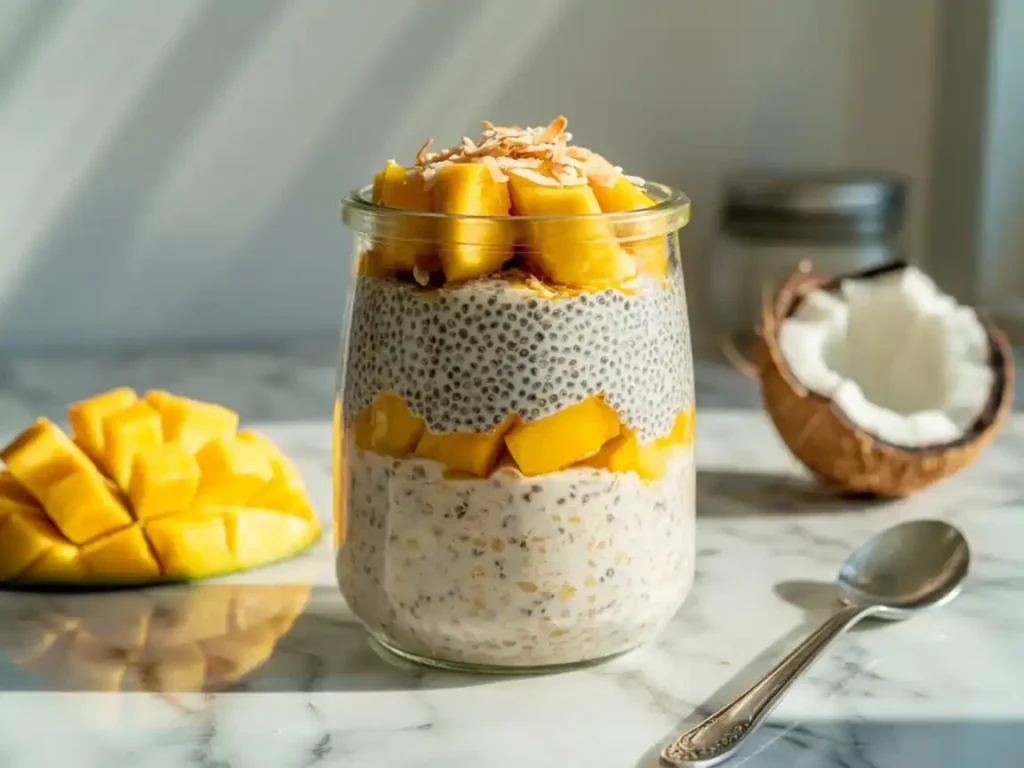
Overnight oat jars are the obvious entry here, but most people make them wrong — too much liquid, no textural contrast, eaten straight from the fridge when they’re basically cold porridge. The fix is layering deliberately: oats soaked just enough to soften (not swim), a spoonful of something creamy like Greek yogurt in the middle, and a crunchy topping added right before eating. Keep the granola or nuts in a small separate bag until you’re ready. That 30-second step keeps everything from going soft.
Cold brew oat cups work on the same principle. Steep your oats in cold brew coffee overnight instead of milk. The result is something genuinely different — slightly bitter, slightly sweet, deeply satisfying — and it travels exactly as well as standard overnight oats.
Fruit-forward wraps with a crunch element also deserve more credit than they get. A whole grain tortilla with almond butter, sliced banana, a few hemp seeds, and a drizzle of honey stays fresh for hours. The key is spreading the almond butter edge to edge — it creates a moisture barrier that keeps the tortilla from absorbing liquid from the fruit.
Fast Assembly: Which Ones Can You Actually Make in Under 10 Minutes?
| Breakfast Idea | Prep Time | Make-Ahead? | Holds Texture? | Portable Rating |
|---|---|---|---|---|
| Baked Egg Muffins | 25 min | Up to 4 days | Yes (cool first) | ⭐⭐⭐⭐⭐ |
| Cottage Cheese Pancake Rounds | 15 min | Up to 3 days | Yes | ⭐⭐⭐⭐ |
| Overnight Oat Jars | 5 min active | Up to 3 days | With dry topping separate | ⭐⭐⭐⭐⭐ |
| Cold Brew Oat Cups | 5 min active | Up to 2 days | Yes | ⭐⭐⭐⭐ |
| Almond Butter Fruit Wrap | 5 min | Same day | 3–4 hours | ⭐⭐⭐⭐ |
| Savory Oat Bowl (jar) | 10 min | Up to 2 days | Toppings separate | ⭐⭐⭐ |
The baked options require the most upfront time but pay back across the whole week. The jar-based options are genuinely five minutes on a Sunday night — less time than scrolling for breakfast inspiration.
The Weekly Rotation System — So You Never Eat the Same Thing Twice
The real enemy of a good breakfast routine isn’t laziness — it’s monotony. And monotony usually sets in not because the food is bad, but because nobody builds in variety from the start.
A simple pattern that actually works: make two base recipes on Sunday. Egg muffins and overnight oats cover most of the week. Then use mid-week swaps to make them feel like different meals without making anything new.
Three Swaps That Change Everything
For egg muffins:
- Monday: feta, olive, sun-dried tomato
- Wednesday: cheddar, jalapeño, smoked paprika
- Friday: goat cheese, roasted red pepper, fresh herbs
For overnight oats:
- Monday: peanut butter and sliced banana
- Wednesday: mango, coconut flakes, lime zest
- Friday: dark cocoa powder, raspberries, a few cacao nibs
For wraps (same-day only):
- Swap almond butter for tahini, add cucumber and za’atar
- Swap banana for pear and add a few walnuts
- Add a smear of hummus and roasted vegetables from last night’s dinner
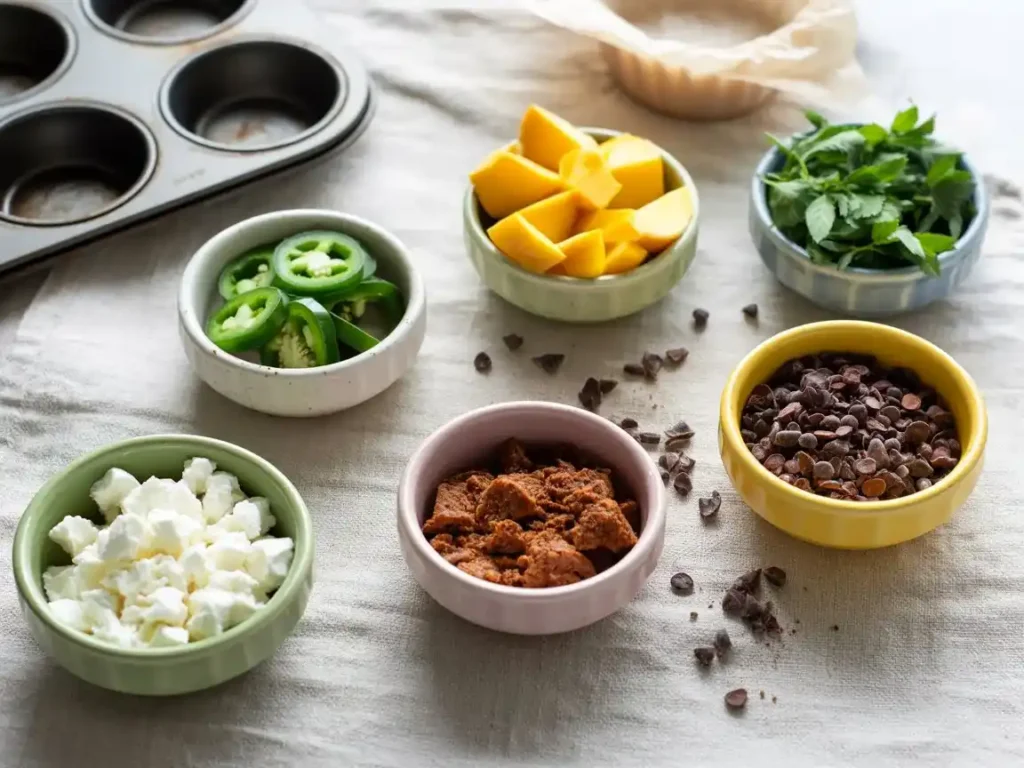
The King Arthur Baking blog makes a useful point about ingredient ratios in baked goods: small changes in add-ins don’t require reformulating the whole recipe. The same logic applies here. Same base, different additions — and your breakfast rotation stays interesting without requiring a weekly planning session.
Which of these are you trying first — the egg muffins with the feta and olive swap, or the cold brew oat cups? If you go with the cold brew version, the depth it adds over regular milk is genuinely worth reporting back on.

