
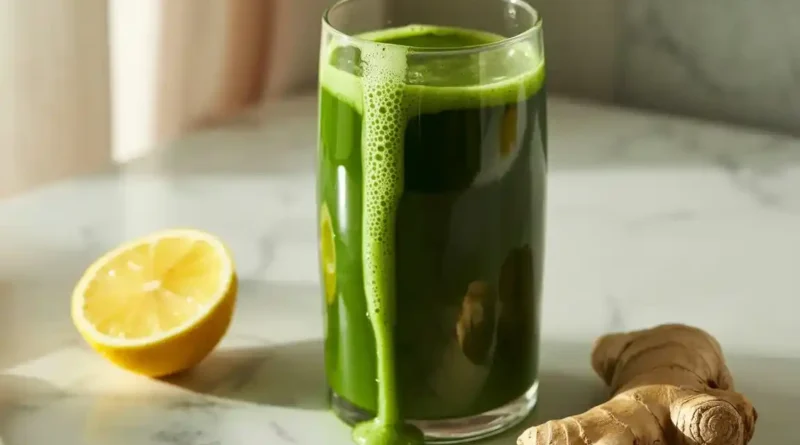
Healthy Drink Recipes This Creamy Green Juice Actually Tastes Refreshing
Most people who try a green juice once never try it again. The color looks promising, the first sip is… grassy and thin, and that’s the end of that health habit. The real issue isn’t green juice itself — it’s the recipe. These healthy drink recipes fix the texture and the flavor problem at the same time, starting with this creamy green juice that genuinely earns the word refreshing.
Why Most Green Juices Taste Like Regret
The bitterness in most green juices comes from two places: the wrong greens in the wrong ratio, and no fat or creaminess to balance the chlorophyll. Kale is the classic culprit. Raw kale is nutritionally excellent, but its glucosinolates — the compounds that make it so good for you — are also what make it taste sharp and medicinal when raw. Throw a fistful into a blender with water and cucumber, and you’ve made something that tastes like a lawn.
The second problem is texture. Green juices made in a regular juicer strip out all the fiber, leaving a thin, slightly bitter liquid. Green smoothies made too heavy lean chalky and thick — more like something you chew than drink. I made that mistake the first time I tried building a “healthy” blended drink: too much frozen banana, not enough liquid, and it came out closer to soft-serve than juice.
The sweet spot lives between those two extremes, and the ingredients below are specifically chosen to land there.
The Ingredients That Actually Make This Creamy
The Base Trio: Cucumber, Banana, Coconut Water
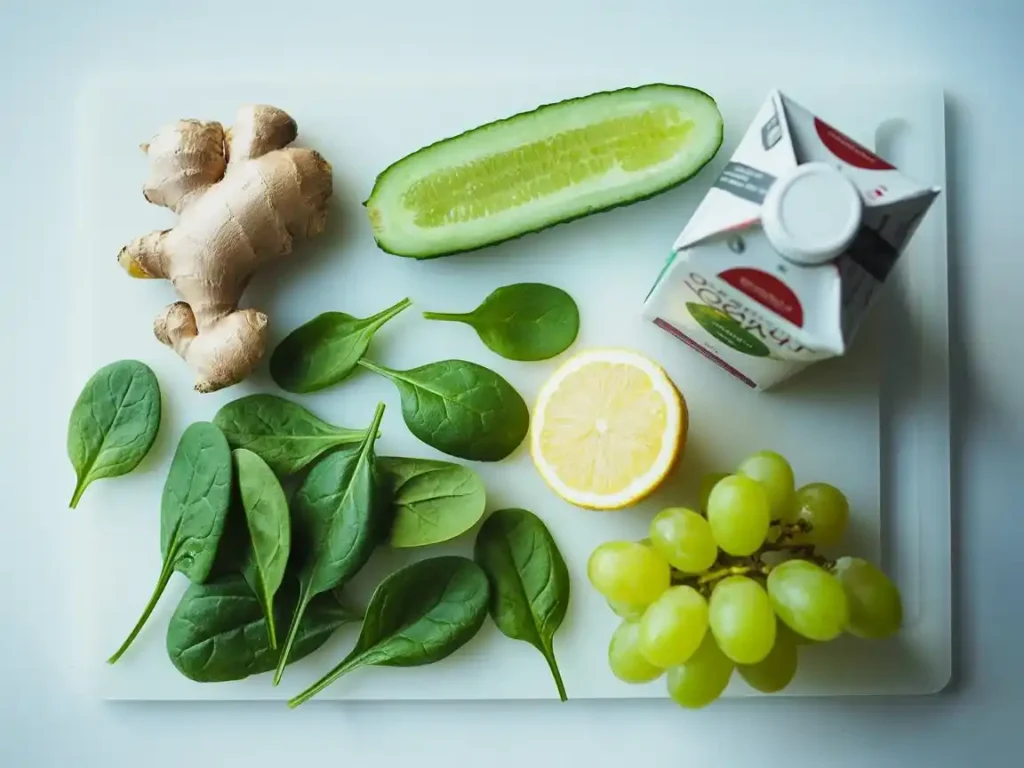
Cucumber does two things here. It adds genuine volume without diluting flavor the way plain water does, and its mild taste gives the greens somewhere to sit without fighting them. One medium cucumber — roughly 200g — is the backbone of this recipe.
Banana is the creaminess engine. Half a frozen banana (not a whole one) blends into the liquid and creates a smooth, almost velvety texture without making the drink taste like a banana milkshake. Freezing it first matters: a fresh banana adds sweetness but not the same body.
Coconut water, not coconut milk, keeps the drink light. It adds natural electrolytes and a faint sweetness that rounds out the bitter edges. According to USDA FoodData Central, an 8oz serving of coconut water contains around 600mg of potassium — more than a medium banana on its own.
The Green Layer: Spinach Over Kale — Here’s Why
Baby spinach is the correct green for this recipe. It blends almost invisibly, delivers iron and folate, and its flavor disappears behind the cucumber and banana. Kale would overpower everything here. If you’re committed to kale, blanch it for 30 seconds first — that breaks down the sharp compounds without killing the nutrients. For this specific drink, spinach is the right call.
Two generous handfuls, loosely packed — about 60g — is the target.
The Brightness Trick: Lemon and Ginger
Without acid, blended green drinks taste flat and slightly sweet in an unpleasant way. Half a lemon, juiced, lifts the entire flavor profile. A half-inch piece of fresh ginger adds warmth and a mild bite that makes the drink feel alive. It’s the detail most beginner recipes skip, and it’s the one that makes people ask what’s in it.
How to Build It
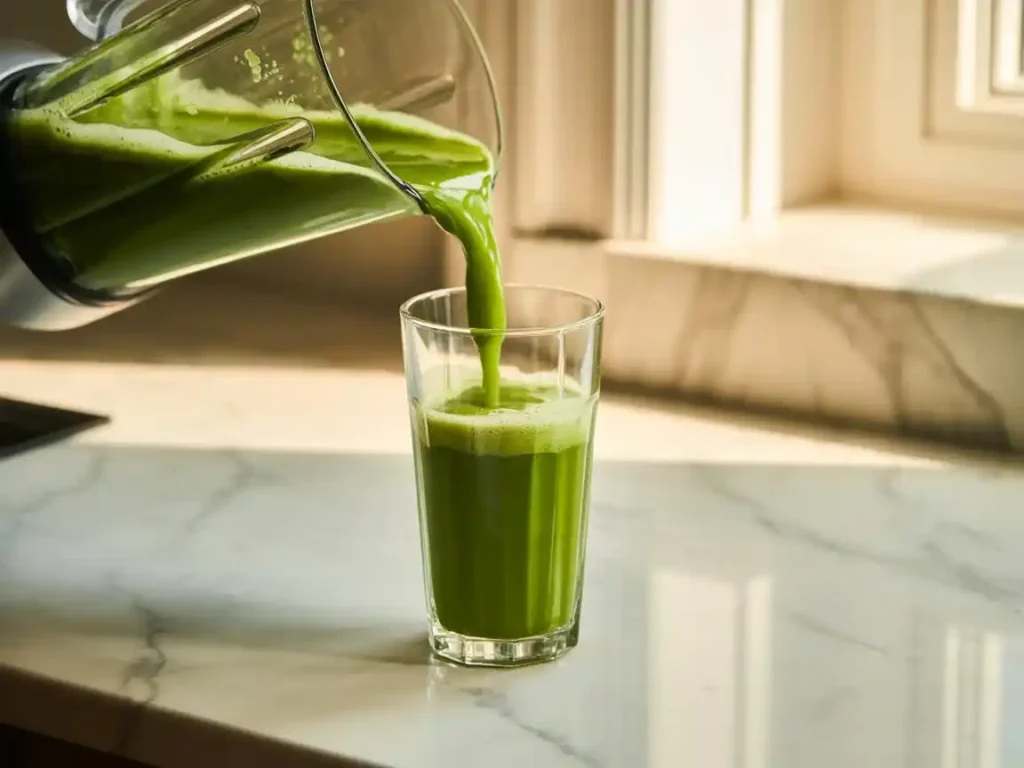
Blending order affects texture more than most people expect. Start with the coconut water and lemon juice at the bottom — liquid first means the blades catch immediately and nothing sticks. Add the spinach next, on top of the liquid, so it gets pulled down into the vortex early. Then add the cucumber (roughly chopped, no need to peel if it’s organic), the ginger, and the frozen banana last.
Blend on high for a full 60 seconds. Not 20, not 30. Sixty. That’s what takes it from “blended salad” to genuinely smooth. At the 30-second mark it still has a slightly gritty texture from the spinach cell walls. The full minute breaks those down completely.
Stop and check the texture. It should coat the back of a spoon lightly — not as thick as a smoothie, not as thin as juice. If it’s too thick, add 2–3 tablespoons of coconut water and blend for ten more seconds. If it’s thinner than you’d like, another quarter of frozen banana fixes it.
On the ice question: add ice after blending, not before. Blending ice with spinach and banana can create an uneven texture and slightly dilute the flavor. Pour over a glass of ice instead — the drink chills evenly and stays smooth.
Nutrition at a Glance
|
Ingredient |
Key Benefit |
|
Baby spinach |
Iron, folate, vitamin K |
|
Cucumber |
Hydration, silica for skin |
|
Coconut water |
Potassium, natural electrolytes |
|
Frozen banana |
Potassium, resistant starch, creaminess |
|
Fresh ginger |
Anti-inflammatory gingerols |
| Lemon juice |
Vitamin C, aids iron absorption |
The lemon-spinach pairing is worth noting specifically: vitamin C significantly improves the absorption of non-heme iron from plant sources, as outlined in research covered by Serious Eats’ food science section. That’s a functional reason to keep both in the recipe, not just a flavor decision.
Three Variations Worth Trying
Tropical Shift
Replace the coconut water with fresh pineapple juice and add half a cup of frozen mango. The base recipe stays the same — spinach, cucumber, ginger, lemon. The result is noticeably sweeter and more fruit-forward, which works well for anyone still adjusting to the green flavor. It’s a good gateway version.
Protein Version
Swap the coconut water for unsweetened almond milk and add two tablespoons of plain Greek yogurt. The yogurt adds a tangy creaminess and bumps the protein enough to make this work as a light post-workout drink. King Arthur Baking’s ingredient science pages note that dairy fat helps fat-soluble vitamins (like spinach’s vitamin K) absorb more efficiently — a useful side benefit of this version.
No-Banana Option
For anyone who finds banana too dominant or is watching sugar intake: replace the half banana with a quarter of a ripe avocado. The avocado delivers the same body and creaminess with a much more neutral flavor. The color shifts slightly — a deeper, richer green — and the texture gets closer to a thin smoothie than a juice. It’s excellent, just different.
Storing It Without Losing the Vibrancy
Green juice oxidizes quickly. The moment you blend spinach and expose it to air, the enzymes begin breaking down chlorophyll and the vibrant green starts shifting toward a murkier, brownish tone. That’s not spoilage — it’s chemistry — but it does affect both appearance and mild nutrient loss.
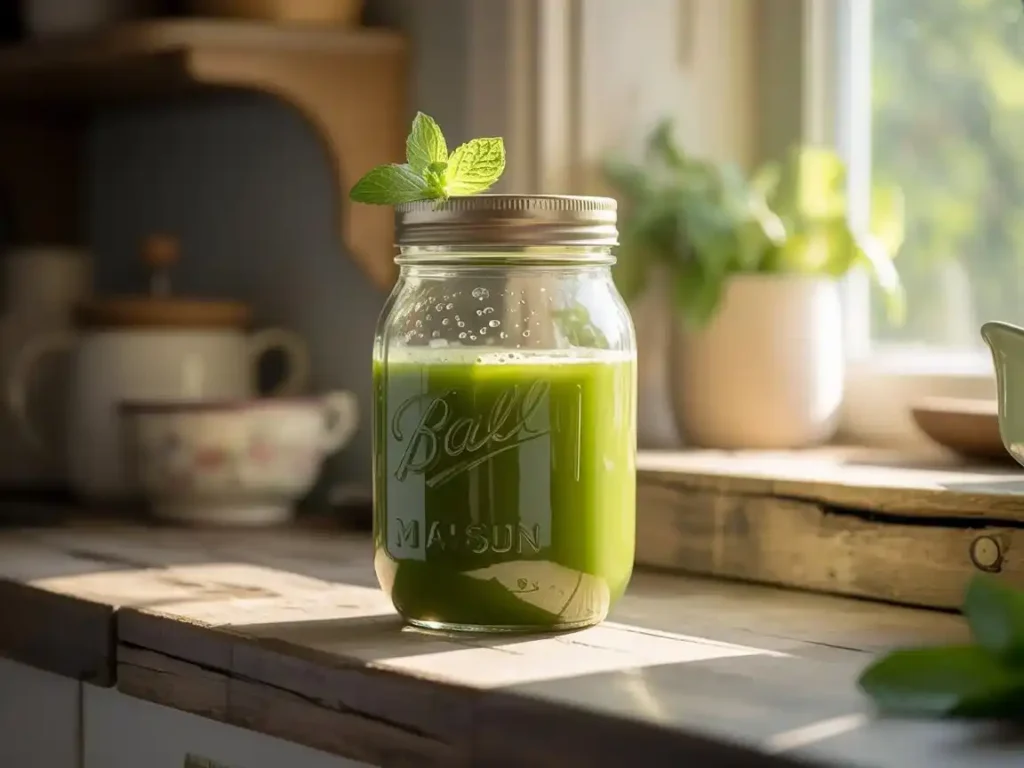
The fix is simple: pour the juice immediately into a mason jar filled to the very top, seal it tight, and refrigerate. The goal is minimum air contact. A full jar oxidizes far more slowly than a half-empty one. Drink it within 18–24 hours for best flavor and color. After that, it’s still safe but the brightness fades and the taste gets slightly flat.
If you want to prep ahead, blend everything except the lemon juice, freeze in a sealed jar, and squeeze the lemon in fresh when you thaw it. The acid keeps the color sharp.
The banana version is the easiest place to start — but if you’re curious, the no-banana avocado swap is genuinely surprising. The texture changes in a way that’s hard to describe until you try it. Which variation are you making first?
