

The Healthy Dinner Formula That Works for Any Ingredient You Already Have at Home
Cook Time: 30 minutes or less | Serves: 1–4 | Skill Level: Any
It is 6 PM. You are standing in front of an open fridge, staring at a chicken breast, half a bag of spinach, some leftover rice, and a lemon you forgot you bought. You open your phone and type “healthy dinner ideas” into Pinterest. Forty-five minutes later you are still scrolling, the chicken is still sitting there, and you are now seriously considering ordering takeout — not because you lack ingredients, but because every recipe you found requires seven things you do not have.
That specific paralysis is not a motivation problem. It is an architecture problem. You do not need another recipe. You need one repeatable formula that works with whatever is already in your fridge — and produces something genuinely cozy, tender, and satisfying every single time you use it.
Kitchen Trial Note
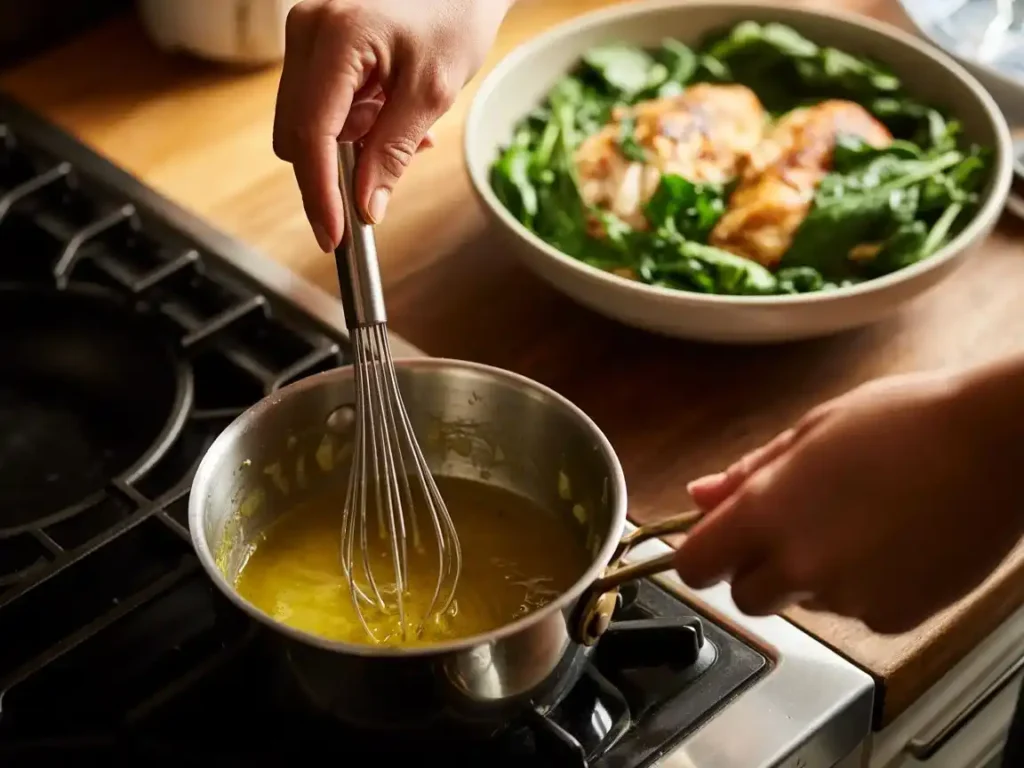
The night I built this formula, I had genuinely nothing planned. The fridge held two chicken thighs, a bag of nearly sad spinach, cold leftover rice, half a lemon, and a knob of butter. I had fifteen minutes of patience left in my body after a long day and exactly zero interest in washing more than two pans.
I seared the chicken thighs until the skin caramelized into a deep golden crust, deglazed the pan with lemon juice, whisked in butter until the sauce emulsified into something glossy and velvety, wilted the spinach directly in that same pan, and spooned everything over the reheated rice. It took twenty-two minutes. It was the most satisfying dinner I had made in weeks — not because the ingredients were special, but because the structure was right. That night I wrote the formula down on a notepad and have not meaningfully deviated from it since.
Why This Works — The Any-Ingredient Dinner Architecture
The reason most healthy dinner content fails you on a Tuesday night is structural. Recipes are written around specific ingredients. The formula is written around a repeatable architecture that accepts any ingredient you slot into it.
Every genuinely satisfying dinner — regardless of cuisine, culture, or complexity — is built on four components working in concert:
1. The Protein Anchor — the nutritional and textural foundation of the plate. 2. The Starchy Base — the component that makes the meal feel cozy and complete rather than like a side dish. 3. The Vegetable Layer — the fiber, color, and textural contrast that keeps the plate feeling alive. 4. The Flavor Bridge — the sauce, glaze, or pan reduction that unifies all three other components into one cohesive, deeply flavorful dish.
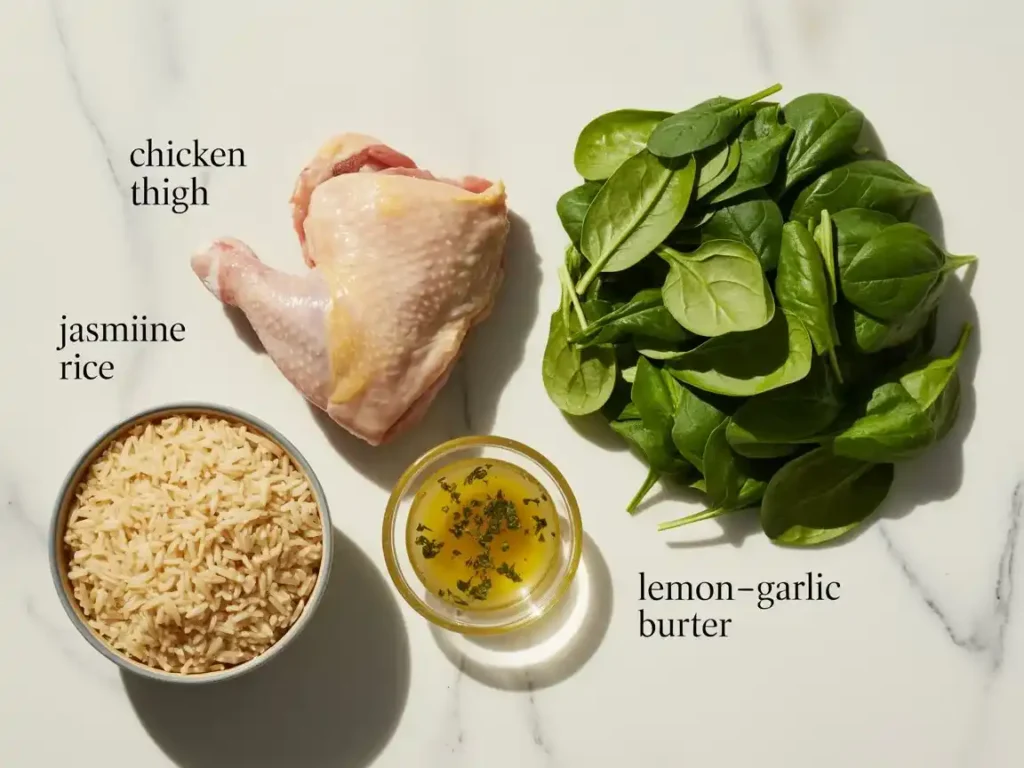
Master these four roles. Stop memorizing recipes entirely.
The 4-Part Formula — Component by Component
Component 1 — The Protein Anchor
Your protein anchor provides satiety and sets the textural register of the entire plate. Common fridge proteins and their best techniques:
- Chicken thighs: Sear skin-side down in a dry, hot pan for seven minutes without moving. Flip once. The fat renders naturally and bastes the meat from below — producing a tender, never dry result.
- Eggs: Soft-scramble over low heat, folding rather than stirring, for a custardy, velvety texture that pairs with almost any base.
- Canned chickpeas: Drain, dry thoroughly, and roast at 425°F for 25 minutes until crispy on the outside and tender within.
- Ground turkey or beef: Brown over high heat without pressing down — pressing forces moisture out and produces a tough, grainy texture rather than a tender, satisfying one.
Pro-Tip: Rest every protein for at least three minutes before cutting or serving. Cutting immediately forces all accumulated juices out of the meat and onto the cutting board. Those juices are flavor and tenderness — keep them inside the protein where they belong.
Component 2 — The Starchy Base
Your base does more than fill the plate. It determines the emotional register of the dinner. Rice feels clean and light. Pasta feels cozy and indulgent on a cold evening. Roasted potatoes feel grounding and deeply satisfying in a way no other base replicates. Polenta feels luxurious with almost zero effort.
Pro-Tip: Season your base independently before building the bowl. Rice cooked in salted water with a bay leaf, or pasta finished with a teaspoon of olive oil and black pepper, contributes its own flavor layer rather than simply absorbing everything placed on top of it. A seasoned base makes the entire formula taste more intentional and complex.
Component 3 — The Vegetable Layer
Any vegetable works inside this formula. The technique determines everything:
- Roast at high heat (425°F) when you want caramelized, concentrated, deeply savory flavor from vegetables like broccoli, zucchini, sweet potato, or cauliflower.
- Sauté in a hot pan with olive oil and garlic when you want tender-edged, slightly charred results from mushrooms, peppers, or asparagus.
- Wilt directly in the flavor bridge pan for leafy greens — spinach, kale, and chard collapse beautifully in thirty seconds and absorb every bit of whatever sauce surrounds them.
Pro-Tip: Never crowd the roasting pan. Vegetables touching each other steam rather than roast, producing a soft, waterlogged texture instead of the caramelized, satisfying edges that make roasted vegetables genuinely craveable. Use two pans when in doubt.
Component 4 — The Flavor Bridge
This is the formula’s most important element and the one most weeknight cooks skip. The flavor bridge is what separates a plate of technically correct components from a dinner that feels cozy, cohesive, and worth repeating.
Five pantry flavor bridges you can build in under five minutes:
- Lemon-Garlic Butter: Sauté minced garlic in butter, add lemon juice, whisk to emulsify. Glossy, bright, universally compatible.
- Miso-Ginger Glaze: White miso, rice vinegar, honey, sesame oil. Whisk cold and drizzle warm.
- Tomato-Herb Pan Sauce: Deglaze your protein pan with canned tomatoes, add dried oregano and a pinch of chili flake, simmer for four minutes into a tender, velvety sauce.
- Tahini-Lemon Drizzle: Tahini, lemon juice, cold water, garlic. Whisk until smooth and pourable.
- Spiced Coconut Broth: Coconut milk, smoked paprika, garlic, lime. Warm gently — do not boil — and spoon over everything.
Pro-Tip: Build your flavor bridge in the same pan you used to cook your protein. Every caramelized bit of fond coating the bottom of that pan is concentrated flavor. Deglazing with liquid and scraping those bits into your sauce gives a depth that a clean saucepan simply cannot replicate.
The Formula in Action
Dinner 1 — Chicken + Rice + Broccoli + Lemon-Garlic Butter: Sear chicken thighs. Roast broccoli florets at 425°F. Reheat rice. Build lemon-garlic butter in the chicken pan by deglazing with lemon juice and whisking in cold butter until the sauce turns glossy and emulsified. Spoon over assembled bowl. Total time: 28 minutes. Result: tender, cozy, deeply satisfying.
Dinner 2 — Eggs + Toast + Wilted Spinach + Tahini Drizzle: Soft-scramble two eggs over low heat. Toast bread. Wilt spinach in the egg pan residual heat with a pinch of garlic. Drizzle tahini-lemon over everything. Total time: 12 minutes. Nutritionally complete. Genuinely satisfying despite near-empty fridge conditions.
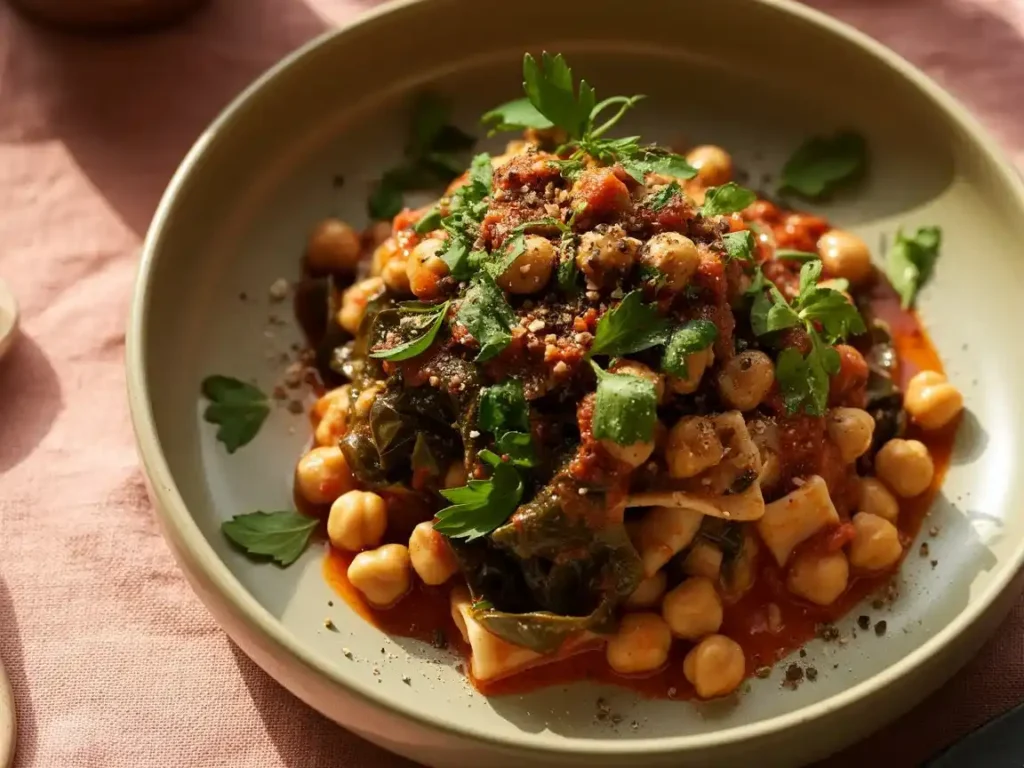
Dinner 3 — Chickpeas + Pasta + Wilted Greens + Tomato-Herb Pan Sauce: Roast chickpeas until crispy. Cook pasta. Deglaze the chickpea pan with canned tomatoes, add oregano, simmer into a tender, velvety sauce. Fold in greens for the final thirty seconds. Toss pasta through the sauce. Total time: 25 minutes. Entirely plant-based, deeply cozy, and filling enough to carry you through a full evening.
Healthy Does Not Mean Punishing
The cultural story around healthy eating has convinced too many people that nutritious food is supposed to feel like a compromise — thin portions, absent flavor, meals you consume rather than enjoy. That story is wrong, and this formula proves it structurally. Whole proteins cooked with proper technique are inherently more tender and flavorful than their processed alternatives. Vegetables caramelized at high heat develop natural sugars that no sauce from a packet can replicate. A pan sauce built from real fond is richer than anything bottled. Healthy food cooked correctly is not a sacrifice. It is simply better food.
The Formula’s Nutritional Architecture
The four-component structure naturally delivers a balanced plate without tracking a single number. The protein anchor provides satiety. The starchy base provides sustained energy from complex carbohydrates. The vegetable layer provides fiber and micronutrients. The flavor bridge, built from olive oil, butter, tahini, or coconut milk, carries the healthy fat that enables absorption of fat-soluble vitamins and rounds out the meal hormonally. No app required. No calculation necessary. Just four components, assembled with intention.
Your Permanent Permission to Stop Searching
You do not need another recipe saved to a board you will never open. You need one formula, five flavor bridges, and the confidence to trust whatever your fridge is holding tonight. The chicken and spinach that felt uninspiring at 6 PM become a tender, glossy, deeply satisfying dinner the moment you understand the architecture behind them.
Save this pin. Stock your flavor bridge pantry. Use the formula tonight — with exactly what you already have.


