
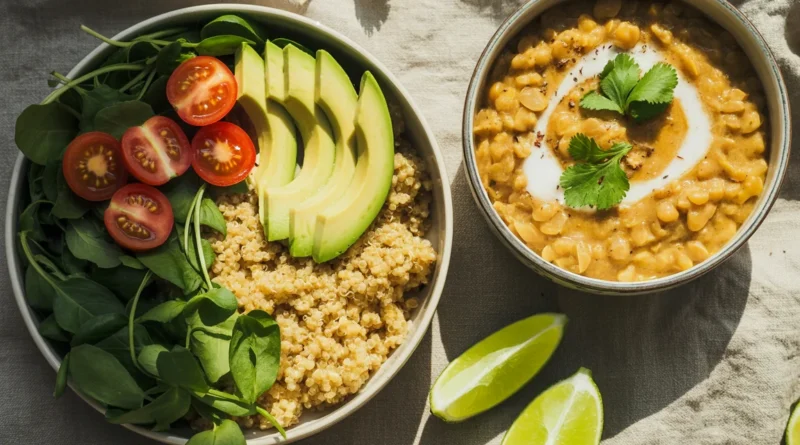
Why ‘Clean Eating’ Actually Works — The 7-Day Reset That Changed Everything
By Day 7, something quietly shifts. The heaviness you carried into Monday — the bloated afternoons, the 3 p.m. crashes, the brain fog that made every decision feel harder than it needed to be — is simply gone. Not dramatically. Not overnight. But by the end of a focused seven days of clean eating recipes built around real, whole ingredients, your body starts communicating with you differently. That is exactly what this reset delivers, and this article will show you precisely how it works, meal by meal, day by day.
What “Clean Eating” Actually Means (And What It Doesn’t)
Clean eating is not a punishment diet. It carries no calorie-counting spreadsheets, no elimination of entire food groups, and no mandatory suffering. At its core, clean eating means prioritizing whole, minimally processed foods that your digestive system recognizes — vibrant vegetables, lean proteins, healthy fats, and complex carbohydrates that release energy steadily rather than spiking and crashing your blood sugar.
What it is not is perfection. It is a directional shift, not a rigid rulebook.
The Real Reason Most 7-Day Resets Fail
Most clean eating plans circulating on Pinterest share the same fatal flaw: they are built around restriction, not satisfaction. They hand you a list of foods to avoid, offer no flavor architecture to replace them, and then wonder why you are elbow-deep in a bag of chips by Wednesday evening.
This reset is architected differently. Every day includes at least one creamy, deeply satisfying meal — the kind that makes you forget you are “resetting” anything at all. The meals are vibrant enough to feel celebratory and fresh enough to leave you genuinely energized, not just compliant.
Kitchen Trial Note
When I committed to my first full clean eating week, I fully expected to be miserable by Wednesday. I stocked my refrigerator with an almost aggressive amount of leafy greens, I roasted two sheet pans of vegetables on Sunday evening, and I told myself I would be disciplined. What I did not expect was how quickly the cravings recalibrated. By Day 3, I was not reaching for the pantry out of boredom. By Day 5, the creamy coconut lentil dinner I made on a Tuesday night felt like a restaurant-quality reward. By Day 7, I did not want to stop. That week fundamentally rewired what I understood “satisfying” to mean — and the recipes carried all the weight.
The Science Behind the 7-Day Window
Seven days is not arbitrary. Research into gut microbiome behavior shows that dietary shifts begin influencing microbial composition within 48 to 72 hours. By day five, inflammatory markers associated with ultra-processed food consumption start to measurably decline. By day seven, taste receptor sensitivity begins recalibrating — meaning sugary, salty, processed foods that once tasted normal begin to taste overwhelmingly intense. Your palate is, quite literally, resetting itself at a biological level.
Before Day 1: The Pantry Audit
Before you cook a single meal, spend 20 minutes clearing three categories of pantry saboteurs: refined sugars hiding in sauces and dressings, ultra-processed fats in packaged snack foods, and high-sodium convenience items that dull your palate over time. This is not about throwing away money — it is about removing the frictionless path to habits you are actively trying to interrupt.
Your Fresh Start Grocery Framework:
- Proteins: Chicken breast, wild salmon, eggs, lentils, chickpeas
- Vibrant Produce: Spinach, kale, sweet potato, cherry tomatoes, zucchini, broccoli, avocado
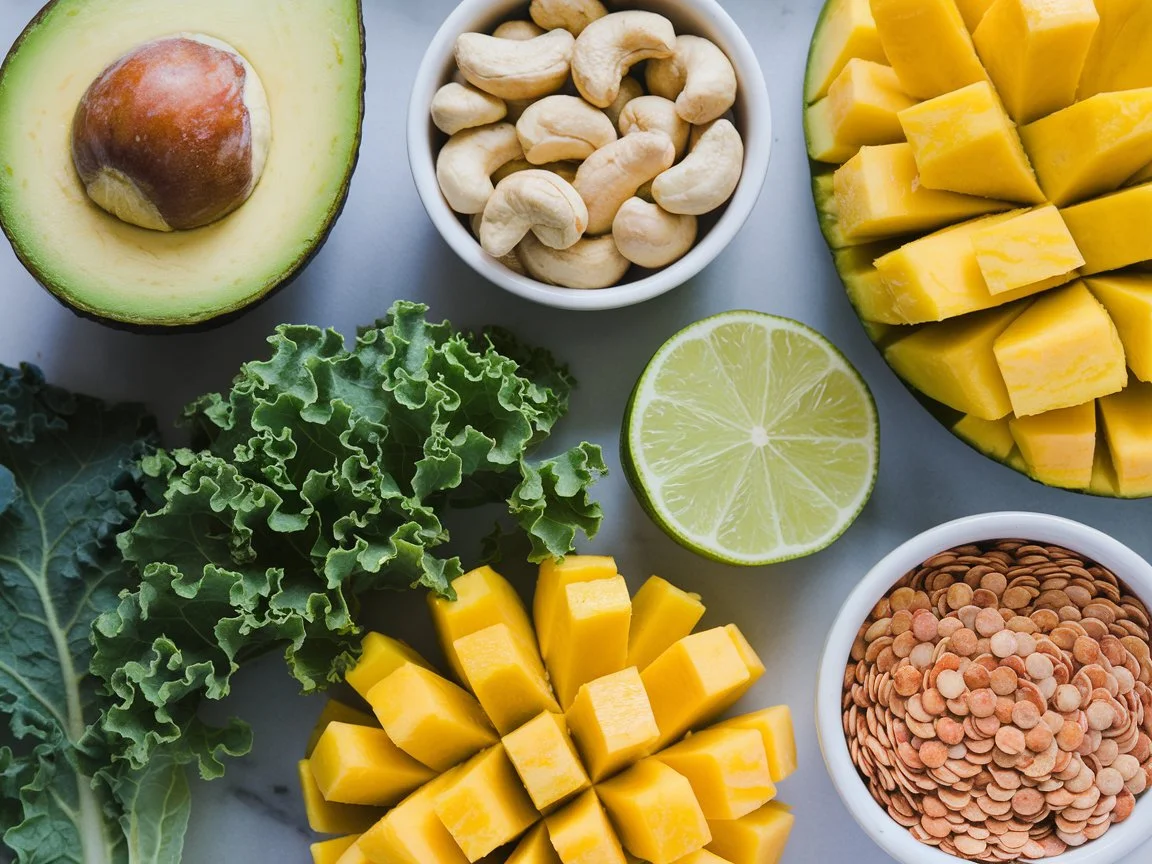
- Healthy Fats: Olive oil, raw cashews, natural almond butter, coconut milk (full fat)
- Complex Carbs: Quinoa, brown rice, oats, whole grain wraps
- Flavor Builders: Garlic, fresh ginger, lemon, lime, smoked paprika, cumin, fresh herbs
Day 1 — The Fresh Start Plate
Breakfast: Overnight oats with fresh berries, chia seeds, and a drizzle of almond butter. Prep time: 5 minutes the night before.
Lunch: A vibrant quinoa bowl with roasted cherry tomatoes, arugula, cucumber, and a lemon-tahini drizzle. Prep time: 15 minutes.
Dinner: Herb-roasted chicken thighs over steamed broccoli and brown rice. Season generously with smoked paprika, garlic, and a squeeze of fresh lemon before roasting at 200°C for 35 minutes.
Pro-Tip: Deglaze your roasting pan with a splash of low-sodium chicken broth after pulling the chicken. Scrape up the caramelized bits and spoon the resulting pan sauce over everything — it adds a depth of flavor that makes a simple meal feel intentional and restaurant-worthy.
Day 2 — Fighting the Energy Dip
Day 2 is where most people stumble. The initial motivation of a fresh start has faded, and the body is processing the absence of its usual sugar and salt signals. Expect a mild afternoon dip. Plan for it.
Snack Bridge: Blend one frozen banana, one tablespoon of natural almond butter, half a cup of full-fat coconut milk, and a pinch of cinnamon. The result is a creamy, naturally sweet smoothie that satisfies the craving signal without feeding the blood sugar spike that caused it.
Pro-Tip: Add a tablespoon of raw cashews to your smoothie before blending. The additional healthy fat slows digestion, extending satiety by an extra 45 to 60 minutes — a technique professional meal preppers use to bridge long gaps between meals without reaching for processed snacks.
Day 3 — The Meal That Makes You Want to Continue
This is the retention anchor of the entire week. On Day 3, you make the creamy coconut lentil curry — and everything changes.
Creamy Coconut Lentil Curry (Serves 4 | Prep: 10 min | Cook: 25 min)
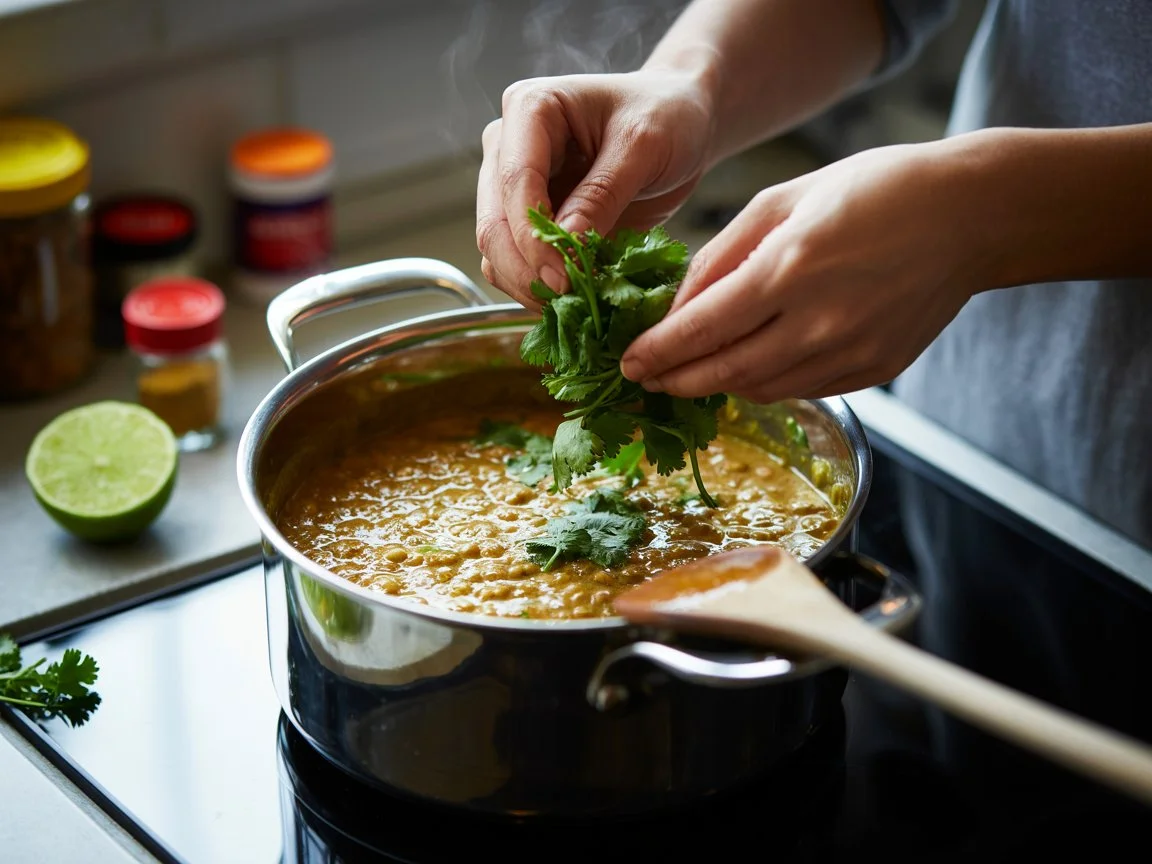
Sauté one diced onion and three minced garlic cloves in olive oil over medium heat until soft and translucent. Add one teaspoon each of cumin, turmeric, and smoked paprika, toasting the spices for 60 seconds until fragrant. Pour in one can of full-fat coconut milk and one can of drained red lentils. Simmer for 20 minutes, stirring occasionally, until the lentils are tender and the sauce has thickened into a velvety, deeply golden pool. Finish with fresh lime juice and a handful of torn fresh cilantro.
Pro-Tip: To deepen the creaminess without adding more coconut milk, fold in two tablespoons of raw cashew butter in the final five minutes of cooking. It emulsifies seamlessly into the sauce, adding body and a subtle nuttiness that makes this dish taste far more indulgent than its ingredient list suggests.
The “Creamy Without Dairy” Technique
One of the most powerful tools in clean eating cooking is learning to build creamy texture from plant-based fat sources rather than dairy. Emulsify soaked cashews blended with water into a smooth cream sauce. Fold silken tofu into soups and dressings for a protein-rich, neutral-flavored creaminess. Mash ripe avocado into warm pasta or grain bowls as a fresh, vibrant coating that clings to every bite. Each of these techniques replicates the mouth feel of heavy cream or cheese without the inflammatory response that dairy can trigger in sensitive systems.
Days 4 & 5 — The Bowl Formula
By mid-week, decision fatigue is real. Simplify with a repeatable bowl formula: Grain Base + Lean Protein + Two Roasted Vibrant Vegetables + Sauce. Rotate your grains between quinoa and brown rice, your proteins between salmon and chickpeas, and your sauce between tahini-lemon and miso-ginger. Four combinations from eight ingredients — minimal thinking, maximum variety.
Day 6 — The Clean “Treat” Meal
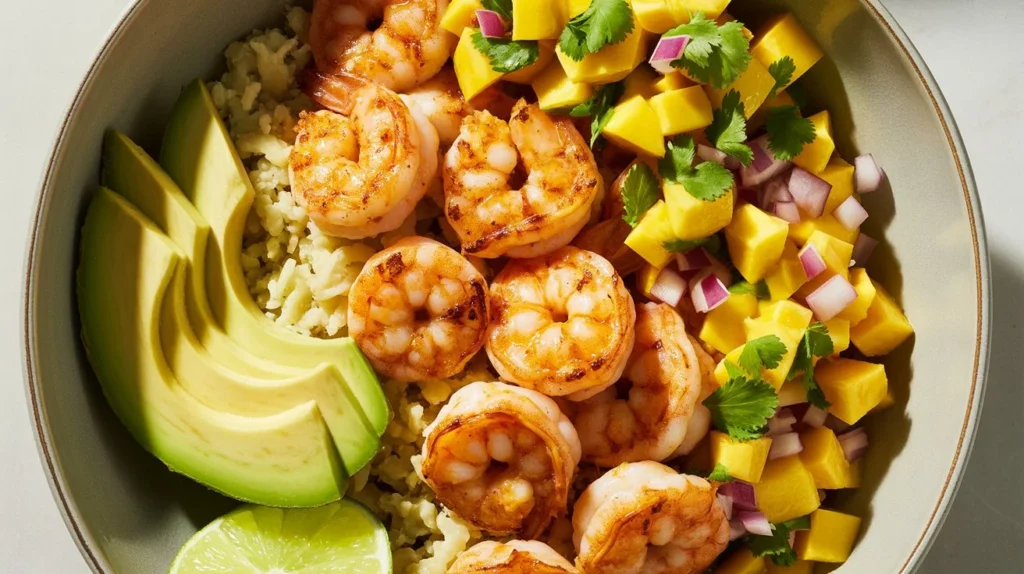
Vibrant Mango-Lime Shrimp Bowl: Toss raw shrimp in lime zest, smoked paprika, and olive oil. Sear in a hot pan for two minutes per side until caramelized at the edges. Serve over cauliflower rice with fresh mango salsa — diced mango, red onion, jalapeño, cilantro, and lime juice folded together just before serving. This dish is bright, fresh, creamy in the avocado garnish, and genuinely festive.
Pro-Tip: Allow your pan to get properly hot before adding shrimp — a truly hot surface caramelizes the natural sugars in the marinade within seconds, creating that golden, slightly crisp edge that makes shrimp taste like something from a coastal restaurant kitchen rather than a Tuesday night at home.
Day 7 — What You Will Notice
By your final day, the shifts are real and specific. Bloating has visibly reduced as your gut processes fiber-rich whole foods more efficiently. Energy levels plateau at a steadier baseline — no dramatic spikes, no crashing valleys. Skin often appears clearer as systemic inflammation decreases. Most notably, your relationship with flavor has shifted: fresh ingredients taste more vivid, naturally sweet foods taste genuinely sweet, and the idea of returning to ultra-processed eating feels — for the first time — genuinely unappealing.
How to Move Into Week 2
Keep 70% of your Week 1 staples — the familiarity reduces friction. Introduce two new recipes to prevent monotony. Add one new protein source you have not tried yet. The goal of Week 2 is to normalize what Week 1 made possible: eating in a way that feels both vibrant and effortless.


