
The Beginner’s Secret to Clean Eating Dinners That Taste Indulgent Every Night
There is a specific moment every beginner on a clean eating diet experiences — and nobody warns them about it. It is not the moment they clear out their pantry, or the moment they meal prep on a Sunday afternoon for the first time. It is the moment they sit down to a dinner they built entirely from whole, clean ingredients and think: this is richer than anything I ordered last week. That moment is the turning point. And this article exists to get you there as fast as possible, because once you taste what a clean eating dinner can genuinely deliver, the old version of eating stops being tempting altogether.
The Biggest Lie Beginners Believe About Clean Eating Diets
The assumption arrives fully formed before most people cook a single meal: clean eating means deprivation. It means flavorless grilled chicken on a bed of undressed greens. It means eating like you are being punished for something. This belief is not just discouraging — it is the primary reason most people abandon a clean eating diet within the first two weeks.
The reality is structurally different. The problem was never the ingredients. The problem was the technique — or rather, the complete absence of it. Generic clean eating content online delivers compliance without pleasure, and compliance without pleasure has a very short shelf life.
Why “Indulgent” Is a Technique, Not an Ingredient
Here is what professional cooks understand that most beginner clean eating guides never explain: richness is not an ingredient you add. It is a result you build. Caramelization — the process by which natural sugars in onions, mushrooms, and root vegetables transform under sustained heat into deep, complex sweetness — creates more flavor than a tablespoon of butter ever could. Slow simmering allows liquid to reduce and concentrate, turning a thin broth into a glossy, coating sauce. Proper emulsification binds fat and liquid into a unified, velvety texture that coats every element of a dish uniformly.
None of these techniques require a single processed ingredient. All of them produce results that taste unambiguously indulgent.
Kitchen Trial Note
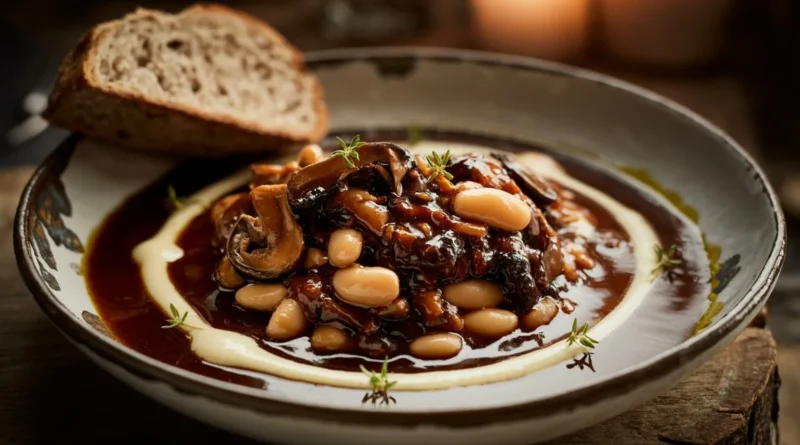
The first clean eating dinner that genuinely stunned me was a mushroom and white bean ragù that I almost did not try because it sounded too simple. I was skeptical. I had been eating clean for about ten days and doing reasonably well, but my dinners felt worthy rather than wonderful — competent rather than cozy. I made the ragù on a Thursday night mostly out of obligation, and I sat down to eat it expecting to feel virtuous but vaguely unsatisfied. Instead, I found myself scraping the pan. The sauce was rich and dark and deeply savory in a way I associated with slow-cooked Italian restaurants, not a 35-minute weeknight dinner built from canned beans and dried mushrooms. That was the night I stopped thinking of clean eating as a compromise.
The Flavor-Building Framework Every Beginner Needs
Before the recipes, the framework. Every indulgent clean dinner follows the same three-stage sequence, and understanding why it works is what separates a cook who follows recipes from one who understands food.
Stage One — Aromatics First: Always begin with onion, garlic, or shallots in a properly heated pan with a generous pour of olive oil. Cook low and slow until completely soft and just beginning to caramelize. This builds the flavor foundation everything else rests on.
Stage Two — Bloom Your Spices: Add dried spices directly to the hot oil and aromatics for 60 full seconds before adding any liquid. Heat activates the fat-soluble flavor compounds in spices — cumin, smoked paprika, turmeric — releasing their full depth in a way that simply stirring them into a sauce never achieves.
Stage Three — Acid Finish: Every rich, cozy dinner needs a brightness counterpoint. A squeeze of lemon, a splash of apple cider vinegar, or a spoonful of sun-dried tomato paste added in the final two minutes of cooking lifts the entire dish, preventing it from feeling heavy or one-dimensional.
The Clean Eating Pantry Swaps That Do the Heavy Lifting
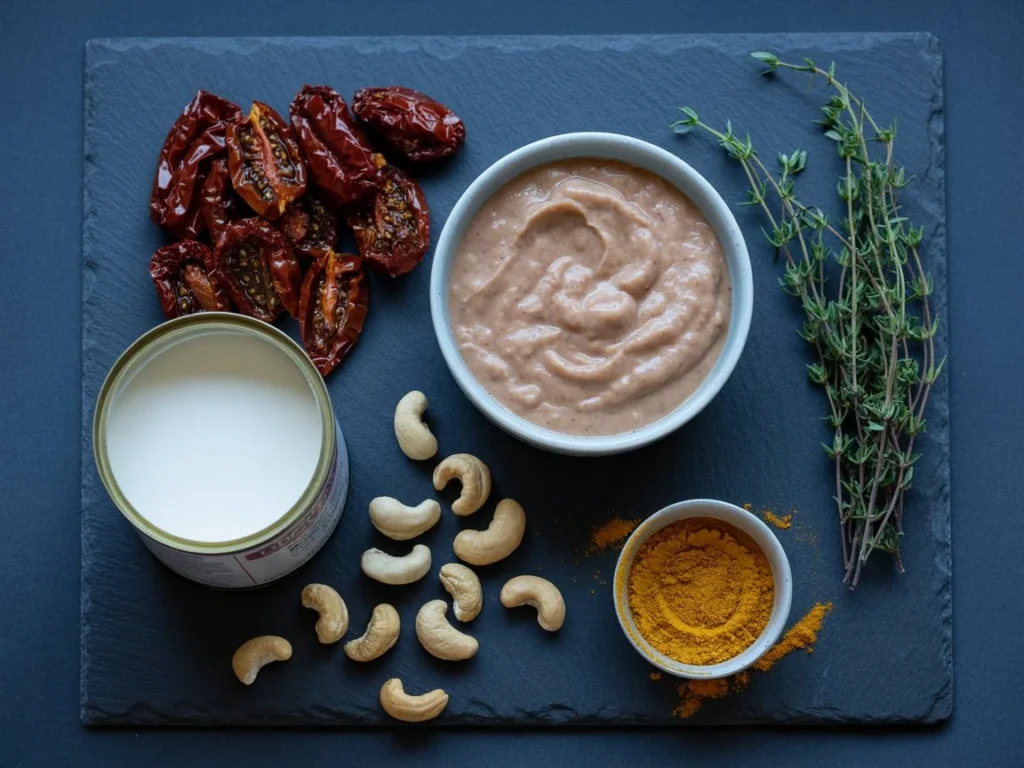
Five substitutions carry the majority of the indulgence work in a clean eating diet kitchen. Full-fat coconut milk replaces heavy cream — identical mouth feel, anti-inflammatory fat profile, subtle sweetness that deepens savory dishes. Blended white beans replace butter-based roux for thickening sauces — neutral in flavor, extraordinarily creamy in texture. Nutritional yeast replaces parmesan — nutty, savory, umami-rich, and completely whole-food. Cashew cream replaces sour cream or crème fraîche in finishing sauces. Miso paste replaces salt as the primary seasoning — it seasons and simultaneously adds a fermented depth that straightforward salt cannot approximate.
Recipe 1 — Rich Mushroom and White Bean Ragù
(Serves 4 | Prep: 10 min | Cook: 35 min)
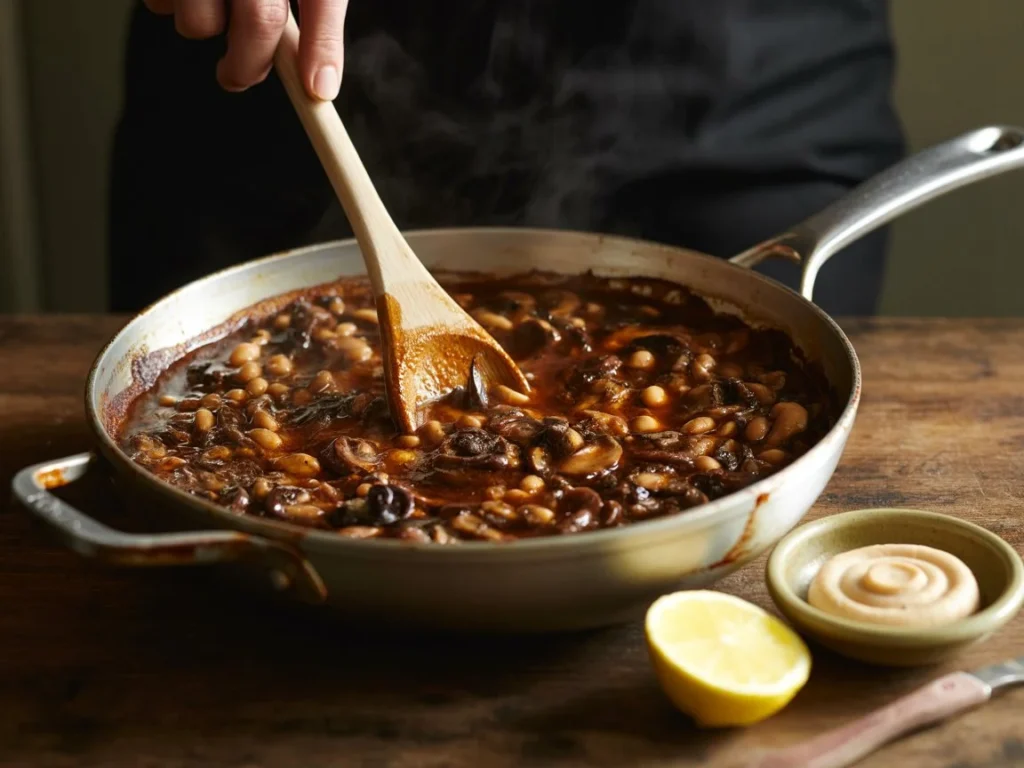
Heat three tablespoons of olive oil in a wide, heavy-bottomed pan over medium-low heat. Add one finely diced onion and four minced garlic cloves. Cook for eight full minutes, stirring occasionally, until deeply soft and just golden at the edges. Add 300g of mixed mushrooms — torn, not sliced, for better texture — and increase heat to medium-high. Allow the mushrooms to cook undisturbed for four minutes until they release their moisture and begin to caramelize against the pan. Add one teaspoon each of smoked paprika and dried thyme, blooming for 60 seconds. Pour in one can of crushed tomatoes and one can of drained white beans. Reduce heat and simmer uncovered for 20 minutes until the sauce thickens into a rich, coating ragù. Finish with one tablespoon of white miso stirred through at the very end, and a generous squeeze of lemon.
Pro-Tip: For maximum umami depth, add one tablespoon of tomato paste directly to the pan alongside the mushrooms before any liquid enters. Press it against the hot surface and allow it to caramelize for 90 seconds — it darkens slightly and develops a roasted, almost meaty intensity that makes the finished ragù taste like it simmered for hours rather than 35 minutes.
Recipe 2 — Creamy Tuscan White Bean Chicken
(Serves 4 | Prep: 10 min | Cook: 30 min)
Season four chicken thighs generously with salt, smoked paprika, and garlic powder. Sear in a hot, oiled skillet for five minutes per side until deeply golden and caramelized. Remove and set aside. In the same pan, sauté one diced shallot and three garlic cloves until soft. Add four sun-dried tomatoes, finely chopped, and cook for two minutes. Deglaze with 150ml of low-sodium chicken broth, scraping every caramelized bit from the pan surface. Add one can of white beans, half of which you have pre-blended with 100ml of water into a smooth cream. Stir to combine — the sauce will immediately thicken into something silky and coating. Return the chicken to the pan, nestle it into the sauce, and simmer covered for 12 minutes. Finish with fresh basil torn directly over the pan.
Pro-Tip: The blended white bean technique is the single most useful skill in clean eating cooking. When you blend half a can of white beans with water and fold it into a warm pan sauce, it emulsifies into a liquid that coats the back of a spoon — the classical test of a properly built sauce — with zero cream, zero flour, and zero compromise on richness. Master this once and you will use it in every clean dinner rotation you ever build.
Recipe 3 — Golden Turmeric Coconut Salmon
(Serves 2 | Prep: 8 min | Cook: 16 min)
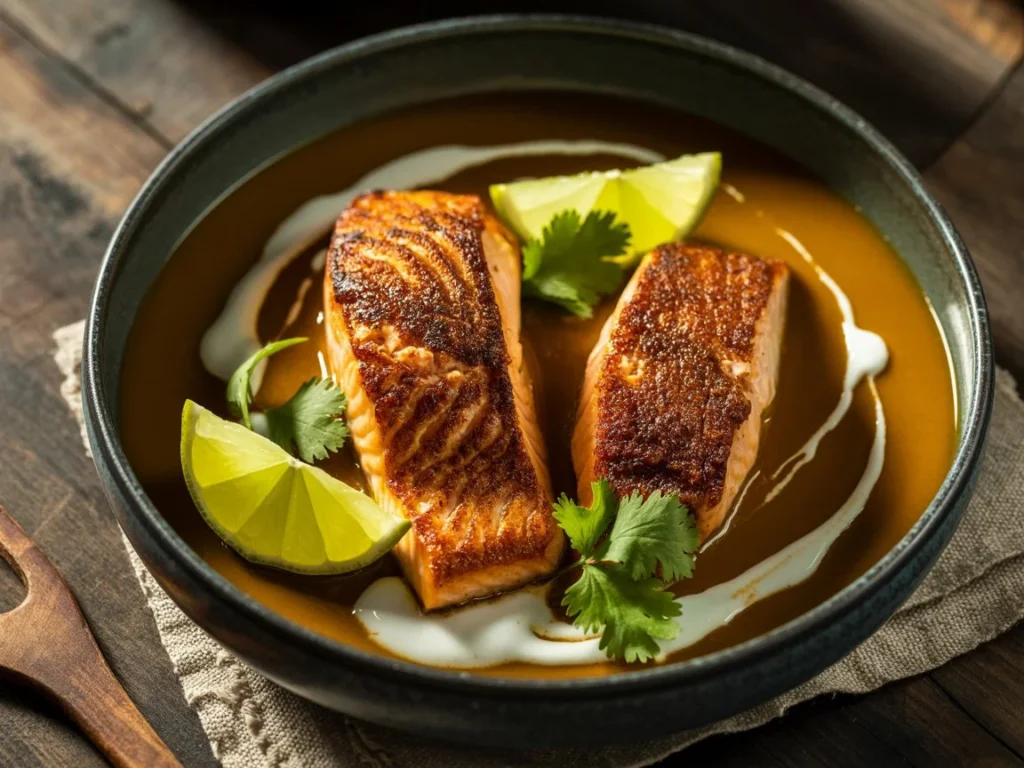
Mix one teaspoon of turmeric, half a teaspoon of smoked paprika, a pinch of cayenne, and a tablespoon of olive oil into a paste. Press it firmly onto two salmon fillets and allow them to marinate for ten minutes at room temperature. Heat a cast-iron or stainless pan until smoking. Place salmon skin-side up and do not move it for four full minutes — this is the caramelization window. Flip once. While the second side sears, pour 200ml of full-fat coconut milk directly into the pan around the salmon, not over it. Allow it to bubble and reduce for three minutes into a golden, fragrant, cozy sauce. Finish with fresh lime juice and torn cilantro.
Pro-Tip: Never touch salmon during the first sear. Pressing, moving, or checking it interrupts the Maillard reaction — the chemical process responsible for that golden, slightly crisp crust that makes the difference between salmon that tastes rich and restaurant-worthy and salmon that tastes like it was merely cooked. Set a timer, step back, and allow the heat to do its work undisturbed.
The “No-Sad-Salad” Dinner Formula
Every indulgent clean dinner follows one repeatable structure: Rich Sauce Base + Seared or Slow-Cooked Protein + Roasted Root Vegetable + Fresh Herb Finish. Rotate your sauce base among coconut milk, blended white bean cream, and tomato-miso. Rotate your protein among salmon, chicken thighs, and chickpeas. Rotate your root vegetable among sweet potato, butternut squash, and parsnip. Twelve distinct dinner combinations from three columns — enough variety to carry a full month without repetition or decision fatigue.
The Three Mistakes Making Your Clean Dinners Taste Bland
Under-seasoning at every stage rather than building salt gradually from aromatics through to finishing. Fix: season the oil, season the protein, season the sauce independently. Skipping the acid finish leaves rich dishes tasting flat and heavy. Fix: always finish with citrus or a vinegar-based element. Cooking proteins at insufficient heat prevents caramelization and produces grey, textureless results. Fix: heat your pan until it feels uncomfortably hot before any protein touches its surface.
Why This Beats Every Other Clean Eating Diet Plan
Most clean eating diet content online delivers one of two things: nutritional compliance with no pleasure, or pleasure-adjacent food that quietly undermines the clean framework with processed shortcuts. This approach delivers both simultaneously — because the techniques that make food taste indulgent are the same techniques that honor whole ingredients. Richness built through caramelization, emulsification, and proper seasoning does not require a single compromise. That is not a workaround. That is simply good cooking, applied to clean food.


